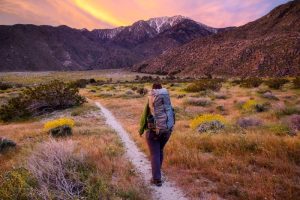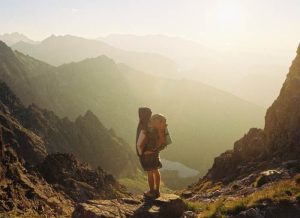
Embark on your backpacking journey with our comprehensive guide on essential items and efficient packing strategies. Discover the importance of lightweight gear and versatile clothing for a successful adventure.
Learn about layering, maximizing space, safety tips, and more to enhance your backpacking experience.
Backpacking Packing List
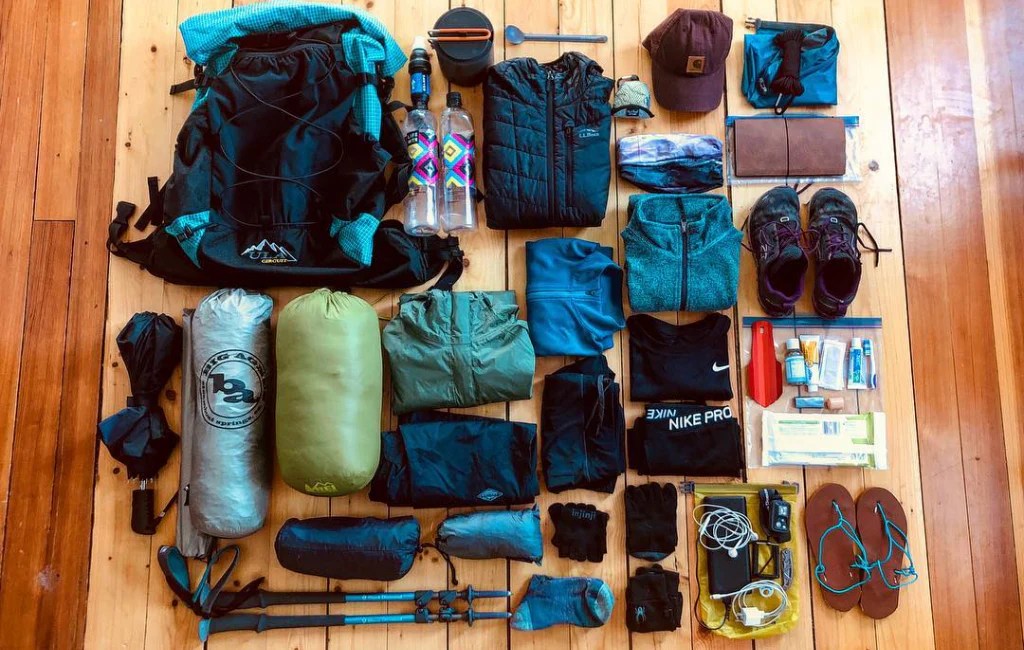
When embarking on a backpacking trip, having the right gear and essentials is crucial for a successful adventure. Packing efficiently and ensuring you have everything you need without carrying unnecessary weight is key to a comfortable and enjoyable journey.
Essential Items for Backpacking
- A sturdy and lightweight backpack
- Tent or shelter
- Sleeping bag and sleeping pad
- Clothing suitable for the weather conditions
- Food and water supplies
- Cooking equipment and utensils
- Navigational tools like a map and compass
- First aid kit
Tips for Efficient Packing
- Roll your clothes instead of folding to save space
- Use packing cubes or compression sacks to organize and compact your belongings
- Opt for multi-functional gear to reduce the number of items you need to carry
- Pack lightweight and quick-drying clothing to minimize weight and space
- Consider the essentials and leave behind non-essential items to lighten your load
Importance of Lightweight and Multi-Functional Gear
Packing lightweight and multi-functional gear is essential for backpacking trips as it helps reduce the overall weight of your pack, making it easier to carry over long distances. Multi-functional gear that serves multiple purposes can also help save space and eliminate the need for carrying extra items, ensuring you have everything you need without unnecessary bulk.
Packing Tips
When it comes to backpacking, efficient packing is essential to ensure you have everything you need while keeping your load manageable. Here are some tips to help you pack smartly for your next adventure.Explain the concept of layering and how it applies to packing for backpacking:Layering is a key strategy in backpacking as it allows you to adjust your clothing according to changing weather conditions.
By packing multiple layers that can be easily added or removed, you can stay comfortable in varying temperatures without overpacking.
Maximizing Space in Your Backpack
- Roll your clothes instead of folding them to save space and reduce wrinkles.
- Use packing cubes or compression sacks to organize and compact your belongings.
- Utilize every nook and cranny by stuffing socks, underwear, or small items into shoes or gaps in your pack.
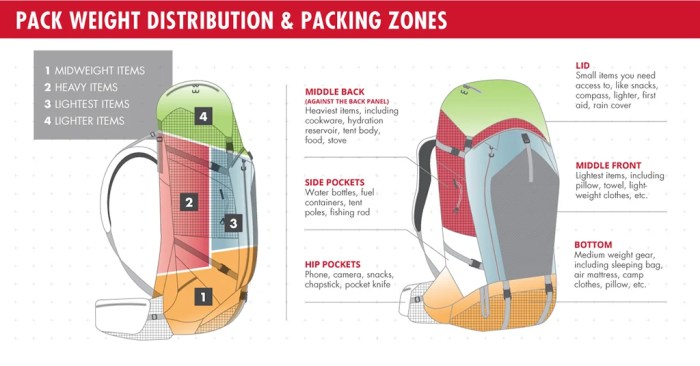
- Consider the weight distribution in your backpack to ensure balance and ease of carrying.
Discuss the significance of packing versatile clothing items that can be mixed and matched:When packing for backpacking, opt for versatile pieces that can be easily mixed and matched to create different outfits. This way, you can pack lighter while still having a variety of clothing options. Choose items that can be dressed up or down and that can be layered for added flexibility.
Backpacking Tips
Whether you are a seasoned backpacker or new to the game, it’s crucial to be prepared for any situation that may arise during your outdoor adventures. Here are some essential tips to keep in mind to ensure a safe and enjoyable trip.
Safety Tips for Backpackers
- Always let someone know your itinerary and expected return date before heading out on a backpacking trip.
- Pack a well-equipped first aid kit and know how to use it in case of emergencies.
- Carry a map, compass, and GPS device to avoid getting lost in remote locations.
- Stay aware of your surroundings and wildlife encounters, and know how to react appropriately.
Importance of Planning Ahead
Planning ahead is key to a successful backpacking trip. Research the terrain and weather conditions of your destination to pack the right gear and clothing. Knowing what to expect will help you stay safe and comfortable throughout your journey.
Tips for Staying Organized on the Trail
- Pack your backpack strategically, placing frequently used items within easy reach.
- Use waterproof stuff sacks or dry bags to keep your gear organized and dry in case of rain.
- Follow Leave No Trace principles to minimize your impact on the environment and preserve the beauty of nature for future generations.
- Dispose of waste properly and respect wildlife by observing from a distance.
Backpacking Trips
Embarking on backpacking trips can be a thrilling adventure filled with unique experiences and challenges. As you venture into the wilderness carrying everything you need on your back, you’ll discover the true essence of self-reliance and exploration.
Personal Experiences and Lessons Learned
During my backpacking trips, I’ve learned valuable lessons that have shaped my approach to outdoor adventures. From the importance of packing light to the significance of staying hydrated, every journey offers new insights and experiences.
Mental and Physical Preparation
Preparing for long backpacking journeys requires a combination of mental and physical readiness. Building your endurance through regular exercise and honing your navigation skills are essential aspects of preparation. Additionally, mental resilience and adaptability play a key role in overcoming challenges on the trail.
Finding the Best Backpacking Routes and Destinations
Exploring the vast array of backpacking routes and destinations can be overwhelming, especially for beginners. Researching trail difficulty levels, terrain features, and seasonal variations can help you choose the best backpacking route suited to your skill level. Whether you prefer scenic mountain trails or coastal hikes, there’s a backpacking destination waiting to be discovered.
As you wrap up your backpacking adventure, remember the lessons learned and experiences gained along the way. Stay organized, plan ahead, and find the best routes for your skill level to make the most of your trips. Happy backpacking!
Answers to Common Questions
What are some essential items for a backpacking trip?
Some essential items include a tent, sleeping bag, water purification system, first aid kit, and navigation tools.
How can I maximize space in my backpack?
You can maximize space by using packing cubes, rolling clothes tightly, and utilizing every nook and cranny efficiently.
What safety tips should I keep in mind while backpacking?
Always inform someone of your itinerary, carry emergency supplies, be aware of wildlife, and know how to handle emergencies in remote areas.
How do I find the best backpacking routes for my skill level?
Research online forums, guidebooks, and speak to experienced backpackers to find routes that match your skill level and preferences.