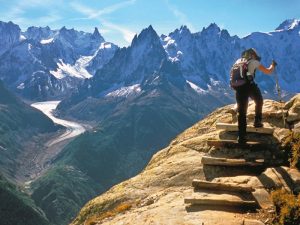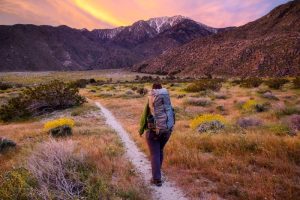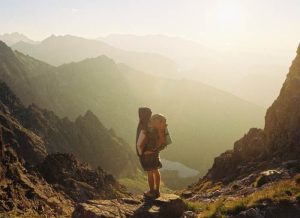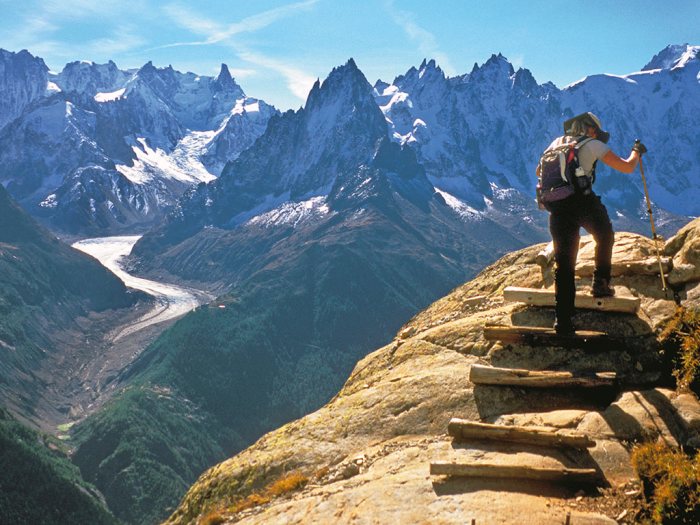
Backpacking trips in the Alps sets the stage for this enthralling narrative, offering readers a glimpse into a story that is rich in detail and brimming with originality from the outset. The allure of the majestic Alps, the unique experiences awaiting backpackers, and the thrill of exploring on foot all come together to create an unforgettable adventure.
Introduction to Backpacking Trips in the Alps
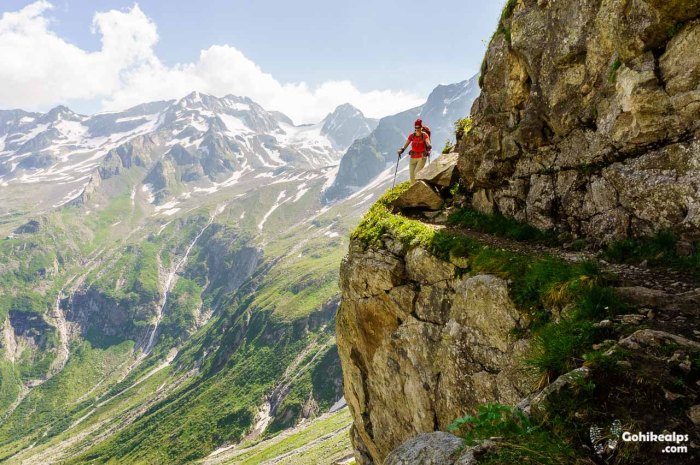
The Alps, with their majestic snow-capped peaks, lush meadows, and crystal-clear lakes, offer a breathtakingly beautiful backdrop for backpackers seeking adventure and tranquility.
Backpacking in the Alps provides a unique experience that combines the thrill of exploration with the peacefulness of nature. The rugged terrain, diverse flora and fauna, and charming villages along the way create a perfect setting for unforgettable adventures.
Unique Experiences and Challenges
Embarking on a backpacking trip in the Alps allows travelers to witness stunning landscapes, from towering mountains to picturesque valleys. The sense of accomplishment and connection with nature that comes from traversing these paths on foot is unmatched.
- Experience the thrill of conquering challenging terrains and reaching breathtaking viewpoints that are only accessible by foot.
- Immerse yourself in the rich culture and traditions of the Alpine regions, interacting with locals and sampling delicious cuisine along the way.
- Navigate through diverse ecosystems, from dense forests to alpine meadows, encountering a variety of wildlife and flora unique to the region.
Exploring the Alps on Foot
Exploring the Alps on foot offers a sense of freedom and adventure that is hard to replicate. The ability to set your own pace, choose your path, and immerse yourself fully in the surroundings creates a deeply rewarding experience for backpackers.
- Discover hidden gems and secluded spots that are off the beaten path, allowing for a more intimate connection with the natural beauty of the Alps.
- Challenge yourself physically and mentally as you navigate through varying terrain, pushing your limits and gaining a sense of accomplishment with each step.
- Experience the serenity of the mountains, the crisp mountain air, and the stunning vistas that unfold before you, creating memories that will last a lifetime.
Popular Backpacking Trails in the Alps
When it comes to backpacking in the Alps, there are several iconic trails that offer breathtaking views and unforgettable experiences. Below are some of the most famous backpacking routes in the Alps:
1. Tour du Mont Blanc
The Tour du Mont Blanc is one of the most renowned hiking trails in the world. This approximately 170-kilometer route takes you through France, Italy, and Switzerland, offering stunning views of the Mont Blanc massif. The trail is challenging, with steep ascents and descents, but the reward of panoramic mountain vistas is well worth the effort.
2. Haute Route
The Haute Route is a classic high-level trek that traverses the Alps from Chamonix in France to Zermatt in Switzerland. This challenging route covers around 180 kilometers and crosses several high mountain passes. The trail is popular among experienced hikers looking for a demanding adventure with spectacular views of iconic peaks like the Matterhorn.
3. Alta Via 1
Alta Via 1 is a famous long-distance trail in the Italian Dolomites, offering hikers a chance to explore the unique limestone peaks of the region. The trail covers approximately 150 kilometers and is known for its rugged terrain, exposed sections, and breathtaking scenery. Hikers can expect stunning views of the jagged Dolomite mountains along the way.
4. GR5
The GR5 is a long-distance trail that runs from Lake Geneva in Switzerland to Nice on the French Riviera. This trail crosses through the French Alps, offering a variety of landscapes from alpine meadows to rocky peaks. The GR5 is a diverse route that provides hikers with a taste of the beauty and grandeur of the Alps.
Essential Gear for Backpacking in the Alps
When embarking on a backpacking trip in the Alps, having the right gear can make all the difference in your comfort and safety. Here, we will discuss the necessary equipment and gear for a successful backpacking adventure in the stunning Alps.
Backpacks
Carrying a comfortable and durable backpack is essential for long-distance hikes in the Alps. Look for a backpack with adjustable straps, padded hip belts, and sufficient capacity to hold all your gear without being too heavy on your shoulders.
Tents
A lightweight and weatherproof tent is crucial for camping along the backpacking trails in the Alps. Consider a tent that is easy to set up, provides adequate ventilation, and offers protection against rain and wind. Look for models that are designed for backpacking to ensure they are compact and lightweight.
Sleeping Bags
Invest in a high-quality sleeping bag that is suitable for the temperatures you may encounter in the Alps. Look for a sleeping bag that is lightweight, compressible, and provides enough insulation to keep you warm during chilly nights in the mountains.
Other Essentials
In addition to the main gear items mentioned above, don’t forget to pack other essentials such as sturdy hiking boots, moisture-wicking clothing, a reliable water filtration system, a first aid kit, a headlamp, and a multi-tool. These items will ensure you are prepared for any situation during your backpacking trip in the Alps.
Packing Tips
When packing for a backpacking trip in the Alps, prioritize lightweight and multi-purpose gear to minimize the weight of your pack. Roll your clothes instead of folding them to save space, and use packing cubes to keep your gear organized. Consider the weather conditions and terrain of the Alps when selecting your gear, and always pack layers to adjust to changing temperatures.
Safety Tips for Backpacking in the Alps
When backpacking in the Alps, it is crucial to prioritize safety to ensure a successful and enjoyable trip. The majestic mountains can pose various risks and challenges, but with the right preparation and knowledge, you can navigate through them safely.
Identifying Potential Risks and Hazards
When backpacking in the Alps, it is essential to be aware of potential risks and hazards such as unpredictable weather conditions, steep terrains, rockfall, avalanches, and wildlife encounters. It is crucial to research the specific trail you plan to hike and understand the possible dangers associated with it.
Staying Safe in Unpredictable Mountain Weather Conditions
- Always check the weather forecast before your hike and be prepared for sudden changes in weather.
- Dress in layers to regulate body temperature and protect yourself from cold temperatures and wind.
- Carry essential gear such as a waterproof jacket, extra clothing, and emergency shelter in case of unexpected weather changes.
Tips on Navigation, Emergency Communication, and First Aid Preparedness
- Carry a detailed map, compass, or GPS device to navigate effectively, especially in areas with poor visibility.
- Inform someone about your hiking plans and expected return time.
- Pack a fully stocked first aid kit and know how to use it in case of injuries or emergencies.
- Learn basic first aid skills such as treating blisters, cuts, and sprains to handle minor injuries on the trail.
Sustainable Practices for Backpacking in the Alps
When embarking on backpacking trips in the Alps, it is crucial to prioritize sustainable and responsible practices to preserve the natural beauty of this majestic mountain range.
Leave No Trace Principles
- Plan ahead and prepare by familiarizing yourself with the area’s regulations and respecting wildlife.
- Travel and camp on durable surfaces to minimize impact on vegetation.
- Dispose of waste properly and pack out all trash, including food scraps.
- Leave what you find and do not disturb historical or natural sites.
- Minimize campfire impacts by using a stove and adhering to fire regulations.
- Respect wildlife by observing from a distance and not feeding them.
- Be considerate of other visitors and maintain a low profile to minimize your overall impact.
Supporting Local Communities
Engaging with local communities while backpacking in the Alps can help support their economy and preserve their cultural heritage.
Interact with locals, purchase goods and services from local businesses, and respect their customs and traditions.
Preserving Natural Beauty
There are various ways to contribute to the preservation of the Alps’ natural beauty during your backpacking adventures.
- Stay on designated trails to avoid trampling vegetation and disrupting wildlife habitats.
- Use biodegradable products and minimize single-use items to reduce waste.
- Practice water conservation and avoid contaminating water sources.
- Participate in conservation projects or volunteer opportunities to give back to the environment.
Budget-Friendly Backpacking Trips in the Alps
When planning a backpacking trip to the Alps on a budget, there are several cost-saving strategies you can implement to make your adventure more affordable. From accommodation options to food choices and transportation, here are some tips to help you enjoy the Alps without breaking the bank.
Affordable Accommodation Options
One of the best ways to save money on accommodation in the Alps is to stay in hostels or guesthouses instead of luxury hotels. These options are budget-friendly and often provide a unique cultural experience. Additionally, consider camping in designated areas to further reduce costs.
Budget-Friendly Food Choices
- Opt for grocery shopping and preparing your meals instead of dining out every day. This can significantly cut down on food expenses.
- Look for local markets or street food vendors to try authentic dishes at a lower cost compared to restaurants.
- Carry snacks and refillable water bottles to avoid spending money on expensive snacks and beverages while exploring the Alps.
Transportation Tips
- Use public transportation or consider renting a bike to get around the Alps instead of relying on taxis or private cars.
- Look for multi-day transportation passes or discount cards that offer savings on trains, buses, and cable cars in the region.
- Consider carpooling or sharing rides with other backpackers to split costs and make transportation more affordable.
Budget-Friendly Activities and Experiences
- Explore hiking trails and scenic viewpoints that are free to access, allowing you to experience the beauty of the Alps without additional costs.
- Participate in free guided tours or cultural events offered by local organizations to learn more about the region’s history and traditions.
- Visit museums and attractions on discounted days or look for combination tickets that offer access to multiple sites at a lower price.
As we conclude this exploration of Backpacking trips in the Alps, one thing is clear – the Alps offer not just a trekking experience, but a journey of a lifetime. From breathtaking trails to essential gear and safety tips, embarking on a backpacking trip in the Alps promises an unparalleled adventure filled with awe-inspiring moments and unforgettable memories.
Essential Questionnaire
What are some lesser-known backpacking trails in the Alps?
Some lesser-known trails in the Alps include the Tour du Mont Blanc, the Alta Via 1 in the Dolomites, and the Stubai High Trail in Austria.
Is it safe to drink water from streams while backpacking in the Alps?
It’s generally not recommended to drink untreated water from streams in the Alps due to the risk of waterborne diseases. It’s safer to carry a water filter or purification tablets.
Are there any age restrictions for backpacking in the Alps?
There are no specific age restrictions for backpacking in the Alps, but it’s important to assess your physical fitness and choose trails that match your capabilities.