Embark on an exciting journey through off-the-beaten-path destinations, essential packing tips, safety measures, and more with Backpacking trips for experienced travelers as your guide. Get ready to dive into a world of adventure and exploration like never before.
Choosing destinations
When it comes to backpacking trips for experienced travelers, choosing the right destination is crucial. Here are some tips to help you select off-the-beaten-path locations that offer unique experiences.
Off-the-beaten-path destinations
- Georgia: Explore the Caucasus Mountains and experience the rich culture and history of this lesser-known gem.
- Madagascar: Discover unique wildlife and stunning landscapes in this biodiversity hotspot.
- Kyrgyzstan: Trek through the rugged terrain of Central Asia and immerse yourself in nomadic culture.
Research and selection
When researching destinations, consider factors such as difficulty levels, landscapes, and cultural experiences. Look for areas that offer a good balance of challenge and reward.
Finding hidden gems
Look beyond popular travel guides and websites to find hidden gems. Connect with local communities and fellow travelers to uncover lesser-known spots.
Avoiding overcrowded tourist spots
Avoid peak tourist seasons and explore destinations during off-peak times to avoid overcrowded tourist spots. Be flexible with your itinerary to discover quieter, more authentic experiences.
Packing essentials
When it comes to packing for a backpacking trip as an experienced traveler, it’s crucial to prioritize lightweight and versatile items that will help you navigate different terrains and weather conditions with ease. Efficient packing is key to ensuring your backpack remains manageable throughout your journey, so choosing the right essentials is essential.
Must-have items for experienced backpackers
- Lightweight tent: Opt for a compact tent that offers protection from the elements without adding unnecessary weight to your pack.
- Multi-tool: A versatile tool that can come in handy for various tasks such as cutting, opening cans, or repairing gear on the go.
- Water purifier: Ensure access to clean drinking water wherever you are by carrying a portable water purifier or purification tablets.
- High-quality sleeping bag: Invest in a lightweight sleeping bag that offers warmth and comfort for a good night’s sleep under the stars.
- Portable stove: Cook hot meals on the trail with a compact stove that runs on fuel or gas cartridges.
Efficient packing for long trips
- Roll your clothes: Maximize space in your backpack by rolling your clothes instead of folding them, which also helps prevent wrinkles.
- Use packing cubes: Organize your gear and clothing in packing cubes to keep things tidy and easily accessible throughout your trip.
- Limit duplicate items: Only pack what you truly need and avoid bringing duplicate items or excessive gear that will weigh you down.
Importance of versatile clothing and gear
- Layering system: Pack clothing that can be layered to adapt to changing weather conditions, allowing you to stay comfortable in varying temperatures.
- Quick-dry fabrics: Opt for clothing made from quick-drying materials to handle sweat and unexpected rain showers without weighing you down.
- Multipurpose gear: Choose gear that serves multiple functions, such as a headlamp that can also be used as a flashlight or lantern for hands-free lighting.
Navigation and safety
When embarking on a backpacking trip, it’s crucial to have a solid grasp of navigation techniques and safety precautions to ensure a smooth and secure journey.
Tips for navigation
- Utilize maps: Carry detailed topographic maps of the area you’re exploring and familiarize yourself with key landmarks and routes.
- Use GPS devices: Consider bringing a GPS device or using a smartphone with GPS capabilities to track your location accurately.
- Identify landmarks: Pay attention to natural landmarks such as mountains, rivers, and rock formations to orient yourself within the wilderness.
Safety precautions for solo backpackers
- Inform others: Share your itinerary with a trusted contact and check in regularly to keep them updated on your whereabouts.
- Carry emergency essentials: Pack a first aid kit, emergency shelter, and extra food and water in case of unexpected situations.
- Stay alert: Be aware of your surroundings, trust your instincts, and avoid risky behaviors that could jeopardize your safety.
Emergency preparedness and first aid essentials
- First aid kit: Include bandages, antiseptic wipes, pain relievers, and other essential medical supplies to treat minor injuries on the go.
- Emergency shelter: Pack a lightweight tent, emergency blanket, or tarp to provide shelter in case of extreme weather conditions or unexpected overnight stays.
- Communication devices: Carry a fully charged cell phone, satellite communicator, or whistle to signal for help in case of emergencies.
Food and water
When embarking on a backpacking trip, it’s crucial to plan your meals and ensure you have access to clean water throughout your journey. Proper meal planning and water sourcing are essential for maintaining energy levels and staying hydrated in the wilderness.
Meal Planning and Food Storage
- Opt for lightweight, nutrient-dense foods that are easy to prepare on the trail.
- Consider dehydrated meals, energy bars, nuts, and dried fruits as they are lightweight and packed with essential nutrients.
- Plan your meals ahead of time and portion them into individual servings to avoid carrying excess weight.
- Utilize bear-proof containers or hang your food in a bear bag to prevent wildlife encounters and food theft.
Sourcing Water and Purification
- Research water sources along your route beforehand and plan where you can refill your water supply.
- Invest in a reliable water filtration system or purification tablets to ensure the water you collect is safe to drink.
- Boil water for at least one minute or use a UV purifier if you’re unsure about the water quality in the wilderness.
- Carry a collapsible water bottle or hydration reservoir to easily store and access water while hiking.
Trail Snacks and Meals
- Pack lightweight and compact trail snacks like jerky, trail mix, granola bars, and nut butter packets for quick energy boosts.
- Include instant oatmeal, couscous, or pasta meals for a filling and satisfying dinner option after a long day of hiking.
- Experiment with different flavor combinations and pre-packaged meals to keep your meals exciting and enjoyable on the trail.
- Don’t forget to pack a few treats like chocolate or candy to reward yourself after a challenging hike.
Accommodation options
When it comes to accommodation options for experienced backpackers, there are several choices to consider depending on your travel preferences and budget. Camping, hostels, and guesthouses are popular choices among seasoned travelers looking for a place to rest during their backpacking trips.
Camping vs. Hostels vs. Guesthouses
- Camping: Camping is a great option for backpackers who enjoy the outdoors and want to immerse themselves in nature. It allows for flexibility in terms of location and is often the most budget-friendly option. However, it requires carrying camping gear and may not always be available in certain areas.
- Hostels: Hostels are a popular choice for backpackers looking for budget-friendly accommodation with the opportunity to socialize and meet other travelers. They usually offer shared dormitories or private rooms at affordable rates, making them a convenient option for solo travelers or small groups.
- Guesthouses: Guesthouses provide a more comfortable and private accommodation option compared to hostels. They offer a homely atmosphere and are a great choice for travelers who prefer a bit more privacy and comfort during their trip. Guesthouses are also a good way to connect with local communities and experience authentic hospitality.
Wild camping regulations and responsible camping
- Regulations: It’s important to research and understand the wild camping regulations of the country you are visiting. Some countries have strict rules regarding wild camping, while others may allow it in certain designated areas. Make sure to follow the regulations to avoid any fines or penalties.
- Tips for responsible camping: When wild camping, it’s essential to leave no trace and minimize your impact on the environment. Always pack out your trash, set up camp in designated areas if possible, and respect wildlife and local communities. By practicing responsible camping, you can help preserve the natural beauty of the places you visit.
Staying in remote areas and connecting with local communities
- Remote areas: If you’re planning to stay in remote areas during your backpacking trip, make sure to be well-prepared with the necessary supplies and equipment. Remote areas may have limited access to amenities, so it’s crucial to plan ahead and ensure you have everything you need for a comfortable stay.
- Connecting with local communities: Staying in guesthouses or homestays is a great way to connect with local communities and learn more about the culture and traditions of the place you’re visiting. Engaging with locals, trying local food, and participating in community activities can enrich your travel experience and create lasting memories.
Budgeting and finance
When it comes to backpacking trips for experienced travelers, budgeting and managing finances efficiently are key to a successful journey. Here are some strategies and tips to help you save money and make the most of your adventure.
Cost-effective transportation options
- Consider using public transportation or ridesharing services instead of taxis or private cars to save money on getting around.
- Look for budget airlines or rail passes for long-distance travel to cut down on transportation costs.
- Utilize walking or biking as a free and eco-friendly way to explore your destination.
Accommodation booking tips
- Book hostels or guesthouses in advance to secure lower rates and availability, especially during peak travel seasons.
- Consider alternative accommodation options like camping or homestays for a unique and cost-effective experience.
- Look for accommodation with kitchen facilities to prepare your meals and save on dining expenses.
Currency exchange and managing finances
- Exchange currency at reputable banks or exchange offices to avoid high fees and unfavorable rates.
- Use ATMs in larger cities or popular tourist areas to access cash conveniently, but be aware of withdrawal fees.
- Carry a mix of cash and cards for payment flexibility and security, and keep track of your expenses to stay within budget.
Sustainability and eco-friendly practices
When embarking on backpacking trips as an experienced traveler, it is crucial to prioritize sustainability and eco-friendly practices to minimize your environmental impact and contribute to the preservation of nature.
Leave No Trace Principles
- Plan ahead and prepare: Research the area you will be visiting, understand the rules and regulations, and pack accordingly to minimize waste.
- Travel and camp on durable surfaces: Stick to established trails and campsites to avoid damaging vegetation and soil.
- Dispose of waste properly: Pack out all trash, including food scraps and biodegradable items, to leave no trace of your presence.
- Leave what you find: Avoid picking plants, disturbing wildlife, or altering the natural landscape.
- Respect wildlife: Observe animals from a distance, avoid feeding them, and keep food securely stored to prevent attracting wildlife to your campsite.
- Be considerate of other visitors: Keep noise levels down, respect privacy, and share the trail and camping areas with others.
Tips for eco-friendly practices
- Reduce waste by packing reusable containers for food and water instead of single-use plastic bottles and bags.
- Conserve water by using water filters or purification tablets to refill your bottles from natural water sources, rather than relying on bottled water.
- Respect local wildlife by observing from a distance, refraining from feeding them, and avoiding leaving food scraps behind.
- Choose eco-friendly gear such as solar-powered chargers, biodegradable soap, and reusable utensils to minimize your environmental footprint.
Physical and mental preparation
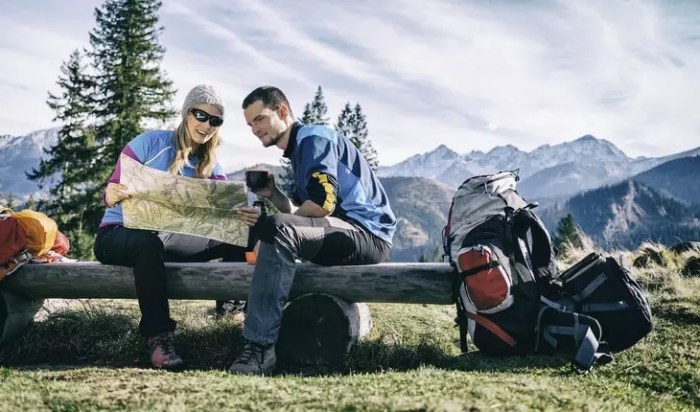
Preparing yourself physically and mentally is crucial before embarking on a long backpacking trip. It can make a significant difference in your overall experience and ability to handle challenging situations along the way.
Training tips for building endurance and strength
- Start by incorporating regular cardio exercises such as running, hiking, or cycling to build endurance.
- Include strength training exercises like squats, lunges, and core workouts to prepare your muscles for carrying a heavy backpack.
- Gradually increase the intensity and duration of your workouts to simulate the physical demands of backpacking.
Importance of mental preparation and coping strategies
- Practice visualization techniques to mentally prepare yourself for the challenges you may face during the trip.
- Develop coping strategies for stressful situations, such as deep breathing exercises or mindfulness techniques.
- Stay positive and focus on the present moment to overcome mental hurdles and keep yourself motivated.
Advice on mindfulness, relaxation techniques, and staying motivated
- Engage in mindfulness practices such as meditation or yoga to stay grounded and centered during the trip.
- Utilize relaxation techniques like listening to soothing music or journaling to unwind after a long day of hiking.
- Stay motivated by setting achievable goals, rewarding yourself for milestones, and reminding yourself of the reasons why you embarked on the backpacking trip.
BACKPACKING TIPS
When it comes to backpacking trips, there are always valuable lessons to be learned from personal experiences. Here are some insights and tips to enhance your backpacking adventures.
Personal Anecdotes and Lessons Learned
- During a backpacking trip in the mountains, I learned the importance of packing light and only bringing essentials. Carrying a heavy backpack can quickly drain your energy and make the journey more challenging.
- While backpacking through a remote forest, I realized the significance of navigation skills and having a reliable map and compass. Getting lost in the wilderness can be dangerous, so always be prepared.
- On a backpacking trip in a desert region, I learned the value of staying hydrated and carrying enough water at all times. Dehydration can sneak up on you quickly in hot and arid environments.
Evolution of Backpacking Gear and Technology
- Backpacking gear has evolved significantly over the years, with advancements in materials, design, and functionality. Modern backpacks are lighter, more durable, and offer better support for long treks.
- Technological innovations like GPS devices, portable water filters, and lightweight camping stoves have revolutionized the backpacking experience, making it easier and safer for adventurers to explore remote areas.
Planning a Backpacking Trip
- Research potential destinations and trails, considering factors like difficulty level, weather conditions, and permit requirements.
- Create a detailed itinerary with key information such as daily mileage, campsite locations, and emergency contacts.
- Pack essential gear and supplies based on the duration and terrain of your trip, focusing on lightweight and multi-functional items.
- Check weather forecasts, trail conditions, and local regulations before heading out to ensure a smooth and enjoyable journey.
Building a Supportive Backpacking Community
- Join online forums, social media groups, or local hiking clubs to connect with like-minded backpackers and share experiences and tips.
- Attend backpacking workshops, seminars, or group hikes to learn new skills, meet potential hiking partners, and build a strong community of outdoor enthusiasts.
- Organize or participate in group backpacking trips to explore new trails, exchange knowledge, and foster camaraderie among fellow adventurers.
As we wrap up our discussion on Backpacking trips for experienced travelers, remember to pack light, travel responsibly, and immerse yourself in the beauty of each destination. Let the memories of your adventures last a lifetime, and may your next backpacking trip be filled with unforgettable experiences.
Clarifying Questions
What are some tips for finding hidden gems during backpacking trips?
Research local blogs, talk to locals, and explore lesser-known trails to discover hidden gems off the beaten path.
How can I efficiently pack for a long backpacking trip?
Roll your clothes, use packing cubes, prioritize essential items, and opt for lightweight gear to keep your backpack manageable.
What are some safety precautions for solo backpackers in remote areas?
Share your itinerary with someone, carry emergency supplies, stay aware of your surroundings, and trust your instincts when in doubt.
How can I budget effectively during a backpacking trip?
Plan your expenses in advance, cook your meals, consider camping over hotels, and look for free or low-cost activities to save money.
What eco-friendly practices can I adopt during my backpacking trips?
Minimize waste, respect wildlife, use reusable containers, and support local conservation efforts to reduce your environmental impact.