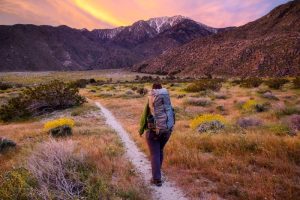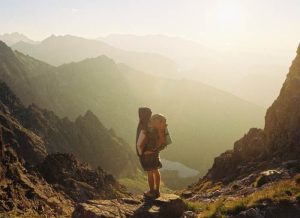
Embark on a journey through the best backpacking routes in the U.S., discovering breathtaking landscapes and unique experiences that await adventurous souls.
From challenging terrains to picturesque trails, each route offers a glimpse into the beauty of nature and the thrill of exploration.
Best Backpacking Routes in the U.S.
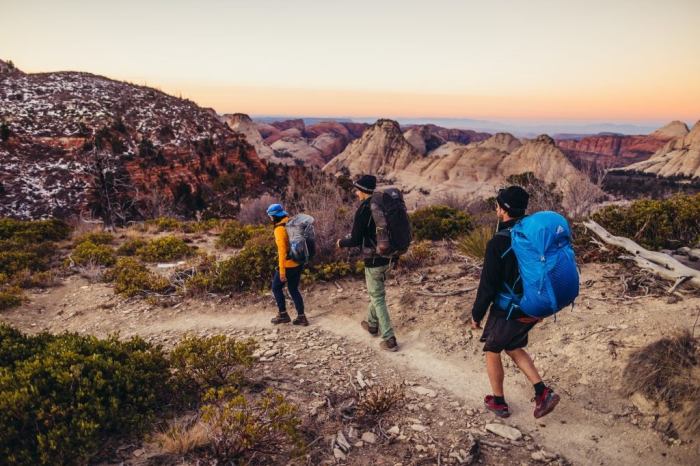
When it comes to backpacking in the United States, there are countless stunning routes to explore. Here are the top 5 backpacking routes that offer a variety of terrains and difficulty levels for every type of adventurer.
1. Pacific Crest Trail (PCT)
The Pacific Crest Trail is a long-distance hiking and equestrian trail that stretches from the US-Mexico border all the way to the US-Canada border. This iconic trail covers a distance of over 2,650 miles and offers a challenging terrain with stunning views of the Sierra Nevada and Cascade mountain ranges. Hikers can expect to encounter desert landscapes, alpine forests, and snowy mountain passes along the way.
2. Appalachian Trail
The Appalachian Trail is one of the most famous long-distance hiking trails in the world, spanning approximately 2,190 miles through the Appalachian Mountain range. This trail passes through 14 states and offers a mix of easy to strenuous sections, with highlights including lush forests, rocky peaks, and picturesque meadows.
3. Continental Divide Trail (CDT)
The Continental Divide Trail follows the Continental Divide of the Americas along the Rocky Mountains, covering a distance of about 3,100 miles. This trail is known for its rugged and remote wilderness, with hikers navigating through high alpine terrain, expansive prairies, and dense forests. The CDT offers a challenging experience for experienced backpackers seeking solitude and breathtaking scenery.
4. Wonderland Trail
Located in Washington’s Mount Rainier National Park, the Wonderland Trail is a 93-mile loop that encircles the iconic Mount Rainier. This trail features diverse landscapes, including old-growth forests, alpine meadows, and glacial valleys. Hikers can enjoy stunning views of Mount Rainier throughout the trek, making it a must-do for nature enthusiasts.
5. John Muir Trail
The John Muir Trail runs for about 211 miles through California’s Sierra Nevada mountain range, passing through several national parks, including Yosemite, Kings Canyon, and Sequoia. This trail offers challenging terrain with high mountain passes and steep climbs, but rewards hikers with breathtaking views of alpine lakes, granite peaks, and lush meadows.
Popular National Parks for Backpacking
Exploring the beauty of national parks through backpacking is a popular activity in the U.S. Here are some of the top national parks known for offering great backpacking experiences.
Yosemite National Park
Yosemite National Park in California is a favorite among backpackers for its stunning granite cliffs, waterfalls, and diverse ecosystems. Permits are required for all overnight backpacking trips, and they can be reserved up to 24 weeks in advance. The best times to visit are in the spring and fall when the weather is mild and the crowds are smaller.
Grand Canyon National Park
Backpacking in the Grand Canyon offers a unique experience as hikers traverse the rugged terrain and witness the breathtaking views of the canyon. Permits are required for all overnight backpacking trips below the rim, and they can be obtained through an online lottery system. The best times to visit are in the spring and fall to avoid the extreme heat of summer.
Yellowstone National Park
Yellowstone National Park is a backpacker’s paradise with its geothermal features, diverse wildlife, and picturesque landscapes. Permits are required for all overnight stays in the backcountry, and they can be obtained through the park’s website. The best times to visit are in the summer months when the trails are snow-free and the wildlife is active.
Scenic Trails and Landscapes
When backpacking along the best routes in the U.S., one can expect to encounter some of the most breathtaking and diverse landscapes in the country. These scenic trails offer a unique opportunity to immerse oneself in nature and witness the beauty of the great outdoors.
Pacific Crest Trail
The Pacific Crest Trail spans 2,650 miles from Mexico to Canada, passing through California, Oregon, and Washington. Along the way, backpackers will traverse through diverse landscapes, including deserts, forests, and mountain ranges. The trail offers stunning views of the Sierra Nevada and Cascade mountain ranges, as well as encounters with wildlife such as deer, bears, and eagles.
Appalachian Trail
The Appalachian Trail stretches over 2,000 miles from Georgia to Maine, crossing through 14 states along the East Coast. Hikers can expect to hike through lush forests, rolling meadows, and picturesque mountain ranges. The trail is known for its abundant flora, including wildflowers, ferns, and towering hardwood trees, as well as sightings of black bears, foxes, and various bird species.
Grand Canyon Rim-to-Rim Trail
The Grand Canyon Rim-to-Rim Trail offers backpackers a challenging yet rewarding trek across one of the most iconic landscapes in the U.S. Hikers will descend into the depths of the Grand Canyon, passing through layers of ancient rock formations and witnessing the dramatic colors of the canyon walls. Along the way, they may encounter bighorn sheep, condors, and other desert wildlife.
Backpacking Tips
When planning your first backpacking trip, it’s essential to be prepared with the right gear, knowledge, and mindset. Here are some tips to help you have a safe and enjoyable experience in the great outdoors:
Packing Essentials
- Choose a lightweight, durable backpack that fits comfortably on your back.
- Pack only the essentials: clothing for all weather conditions, a first aid kit, a map and compass, a multi-tool, and enough food and water for your trip.
- Don’t forget to pack a sturdy tent, sleeping bag, and sleeping pad for a good night’s rest.
Gear Selection
- Invest in quality gear that is lightweight and durable, such as a reliable pair of hiking boots, a water purification system, and a portable stove for cooking meals.
- Test out your gear before your trip to ensure everything is in working order and fits properly.
- Consider the weather conditions and terrain of your backpacking route when selecting gear.
Food Planning
- Plan your meals ahead of time and pack lightweight, high-energy snacks for quick refueling on the trail.
- Opt for dehydrated meals and snacks to save weight and space in your backpack.
- Properly store your food to prevent attracting wildlife and always follow Leave No Trace principles.
Safety Tips
- Inform someone of your hiking itinerary and expected return time before heading out on your trip.
- Stay hydrated, take breaks when needed, and listen to your body to prevent exhaustion and injury.
- Be aware of wildlife in the area and take precautions to avoid encounters.
Navigation Essentials
- Carry a map and compass, and know how to use them to navigate your route effectively.
- Consider using a GPS device or smartphone app as a backup navigation tool.
- Stay on marked trails and pay attention to trail markers to avoid getting lost.
Leave No Trace Principles
- Follow Leave No Trace principles to minimize your impact on the environment and wildlife.
- Pack out all trash, bury human waste at least 200 feet from water sources, and leave natural and cultural artifacts untouched.
- Respect wildlife by observing from a distance and not feeding or approaching animals.
Backpacking Trips
Embarking on backpacking trips in the U.S. offers unforgettable experiences, but it also comes with its fair share of challenges. From remote trails to unpredictable weather conditions, every trip is a unique adventure that tests both mental and physical strength.
Memorable Backpacking Trips
One of the most memorable backpacking trips I had was through the Grand Canyon National Park in Arizona. The rugged terrain, stunning vistas, and the sense of isolation from the outside world made it a truly unforgettable experience. However, the intense heat and steep ascents presented significant challenges along the way.
Challenges Faced and Overcoming Them
- Navigating through dense forests and rocky terrains tested my map-reading and orientation skills. Using a compass and understanding topographic maps helped overcome this challenge.
- Dealing with unexpected weather changes, from scorching heat to sudden rainstorms, required packing versatile gear and being prepared for any conditions.
- Coping with physical fatigue and muscle soreness demanded proper conditioning and pacing oneself throughout the journey.
Mental and Physical Preparations
- Building endurance through regular cardio and strength training exercises is crucial for tackling long hiking days and challenging terrains.
- Practicing mindfulness and mental resilience helps in staying focused and positive, especially during tough moments on the trail.
- Packing essential items like a first aid kit, sufficient water, lightweight but nutritious food, and proper clothing is essential for a successful backpacking trip.
As you wrap up your virtual exploration of the best backpacking routes in the U.S., remember that the great outdoors is calling, beckoning you to embark on your own unforgettable adventure.
Expert Answers
What are the essential items to pack for a backpacking trip?
Some essential items to pack include a tent, sleeping bag, water filter, portable stove, navigation tools, first aid kit, and appropriate clothing.
How can beginners secure permits for backpacking in national parks?
Beginners can secure permits for backpacking in national parks by checking the park’s website for permit information, applying online, and planning well in advance.
What is the best time of year to go backpacking in the U.S.?
The best time to go backpacking in the U.S. is typically during the spring and fall when the weather is mild and the trails are less crowded.
How can backpackers ensure they leave no trace while hiking?
Backpackers can leave no trace by packing out all trash, staying on designated trails, minimizing campfire impact, respecting wildlife, and following park regulations.
Are there any specific safety tips for backpacking in remote areas?
Some safety tips for backpacking in remote areas include informing someone of your itinerary, carrying emergency communication devices, being prepared for sudden weather changes, and knowing basic first aid.