Embark on a thrilling journey into the wilderness with Backpacking trips combining camping and hiking. Discover the allure of nature, essential gear, safety tips, and more in this comprehensive guide.
Introduction to Backpacking Trips with Camping and Hiking
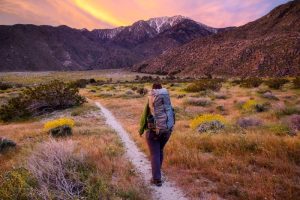
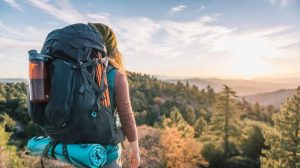
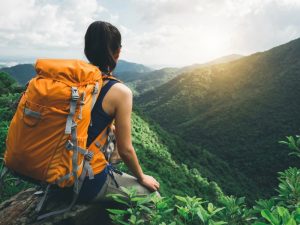
Backpacking trips that combine camping and hiking offer a unique outdoor adventure experience. This type of trip involves carrying all necessary gear and supplies in a backpack while exploring hiking trails and camping in the wilderness.
Benefits of Backpacking Trips
- Physical Fitness: Backpacking involves long hikes and carrying heavy loads, which is a great way to stay physically active and improve endurance.
- Mental Well-being: Being surrounded by nature, away from the hustle and bustle of daily life, can have a calming and rejuvenating effect on the mind.
- Connection with Nature: Backpacking allows you to immerse yourself in the natural environment, appreciate the beauty of the outdoors, and develop a deeper connection with nature.
- Self-reliance: Carrying all your essentials on your back and navigating through trails fosters independence and self-reliance.
Immersing Oneself in Nature
Backpacking provides a unique opportunity to truly connect with nature. Waking up to the sounds of birds chirping, hiking through diverse landscapes, and camping under the stars offer an unparalleled experience of being one with the natural world.
Essential Gear for Backpacking Trips
When embarking on a backpacking trip that involves camping and hiking, having the right gear is crucial for a successful and enjoyable experience. The gear you choose can make a significant difference in terms of comfort, safety, and overall enjoyment of the journey.
Must-Have Gear for Backpacking Trips
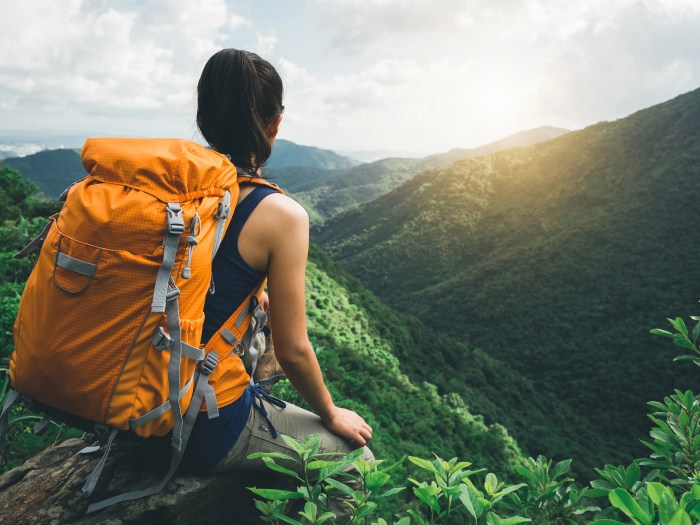
- A high-quality backpack: Choose a backpack that is durable, comfortable, and appropriately sized for the length of your trip.
- Tent or shelter: A lightweight and compact tent or shelter is essential for camping overnight in various terrains and weather conditions.
- Sleeping bag and sleeping pad: Invest in a warm and lightweight sleeping bag along with a comfortable sleeping pad to ensure a good night’s rest.
- Cooking equipment: Portable stoves, fuel, cookware, and utensils are necessary for preparing meals while camping.
- Clothing layers: Pack moisture-wicking base layers, insulating mid-layers, and weather-resistant outer layers to stay comfortable in changing conditions.
Importance of Lightweight and Compact Equipment
When selecting gear for backpacking trips, prioritizing lightweight and compact items is essential to reduce the overall weight of your pack. Carrying heavy and bulky gear can lead to fatigue, discomfort, and even injury during long hikes. Opting for lightweight and compact equipment allows you to move more efficiently and comfortably through various terrains and climates.
Choosing the Right Backpacking Gear
- Consider the terrain: Different terrains require specific gear, such as sturdy hiking boots for rocky trails or lightweight trail runners for smoother paths.
- Assess the climate: Pack clothing and gear suitable for the expected weather conditions, including rain gear, insulation, and sun protection.
- Test gear before the trip: Ensure that your gear fits well, functions properly, and meets your needs by testing it out on shorter hikes or camping trips.
- Research gear reviews: Look for recommendations from experienced backpackers and outdoor enthusiasts to find reliable and high-quality gear for your trip.
Planning a Backpacking Trip
When it comes to planning a backpacking trip with camping and hiking, there are several important steps to consider to ensure a successful and enjoyable adventure. From selecting suitable trails and camping locations to creating a packing list and itinerary, proper planning is essential for a smooth journey.
Selecting Suitable Trails and Camping Locations
- Research different trails based on difficulty level, distance, and scenery to find one that suits your preferences and experience level.
- Consider factors such as elevation gain, terrain, and weather conditions when choosing a trail to ensure it aligns with your abilities.
- Look for camping locations along the trail that offer access to water sources, flat ground for tent setup, and beautiful views to enhance your camping experience.
Creating a Packing List and Itinerary
- Make a detailed packing list including essential items such as a tent, sleeping bag, cooking supplies, food, water purification system, clothing layers, first aid kit, navigation tools, and personal items.
- Plan your meals and snacks in advance to ensure you have enough food for the duration of the trip, considering factors like weight, nutrition, and preparation ease.
- Create a daily itinerary with planned hiking distances, camping locations, and points of interest to help you stay on track and make the most of your time in the wilderness.
Safety Tips for Backpacking Adventures
When embarking on backpacking trips in wilderness areas, it is crucial to prioritize safety at all times. Being prepared for emergencies and unexpected situations can make a significant difference in ensuring a safe and enjoyable outdoor experience. Basic first aid knowledge and navigation skills are essential tools to have in your backpacking arsenal.
Emergency Preparedness
- Always inform someone of your itinerary and expected return date before heading out on a backpacking trip.
- Pack a well-stocked first aid kit and know how to use its contents effectively.
- Carry a communication device such as a satellite phone or personal locator beacon in case of emergencies.
- Research the area you will be backpacking in and be aware of potential hazards or risks.
Navigation Skills
- Carry a map and compass, and know how to use them to navigate through the wilderness.
- Familiarize yourself with the terrain and landmarks to avoid getting lost.
- Consider taking a navigation course to enhance your skills before embarking on challenging backpacking trips.
First Aid Knowledge
- Learn basic first aid techniques such as treating wounds, fractures, and burns.
- Know how to recognize and respond to common outdoor injuries like heat exhaustion, hypothermia, and insect bites.
- Stay up to date on your first aid certification and refresh your skills regularly.
Cooking and Meal Preparation while Backpacking
When backpacking, it’s essential to have a plan for cooking and meal preparation to ensure you have enough energy for your adventures. Here are some ideas and tips to help you enjoy nutritious meals while on the trail.
Ideas for Lightweight and Nutritious Meals
- Dehydrated meals: Lightweight and easy to prepare by just adding hot water.
- Trail mix: A mix of nuts, dried fruits, and seeds for a quick and energy-boosting snack.
- Instant oatmeal packets: A filling and quick breakfast option.
- Peanut butter and tortillas: A simple and satisfying meal or snack.
Different Cooking Methods Suitable for Camping
- Portable stove: Ideal for cooking meals that require boiling water or simmering.
- Campfire cooking: Great for grilling food like vegetables, meat, and even desserts like s’mores.
- Solar oven: Utilize the sun’s heat to cook simple dishes like rice or vegetables.
Tips for Food Storage and Minimizing Waste
- Use resealable bags: Store ingredients in individual bags to minimize waste and keep things organized.
- Plan meals in advance: Pre-portion ingredients to avoid carrying excess food.
- Dispose of waste properly: Pack out all trash, including food scraps, to leave no trace in the wilderness.
Environmental Considerations for Backpackers
When venturing into the great outdoors for backpacking trips with camping and hiking, it is crucial to be mindful of the impact we have on the environment. Leave No Trace principles serve as a guide for minimizing our footprint and preserving the natural beauty of the wilderness. By following these principles, backpackers can help protect the ecosystems they explore and ensure that future generations can enjoy them as well.
Leave No Trace Principles
- Plan ahead and prepare: Research the area you will be visiting, obtain necessary permits, and pack appropriately to minimize waste.
- Travel and camp on durable surfaces: Stick to established trails and campsites to avoid damaging vegetation.
- Dispose of waste properly: Pack out all trash, including food scraps and toilet paper, to leave the area as you found it.
- Leave what you find: Avoid picking flowers, disturbing wildlife, or altering the natural landscape in any way.
- Respect wildlife: Observe animals from a safe distance and do not feed them, as human food can be harmful to their health.
- Be considerate of other visitors: Keep noise levels down, yield to others on the trail, and respect the solitude of fellow backpackers.
Minimizing Environmental Impact
- Use a camp stove instead of making open fires to reduce the risk of starting wildfires and minimize damage to the soil.
- Avoid using single-use plastic items by opting for reusable alternatives like water bottles and food containers.
- Practice good hygiene by washing dishes and bathing at least 200 feet away from water sources to prevent contamination.
Respecting Wildlife and Natural Landscapes
- Admire wildlife from a distance and avoid approaching or feeding animals, as this can disrupt their natural behavior.
- Stay on designated trails to protect fragile vegetation and prevent erosion of the soil.
- Take only memories and leave only footprints to ensure that the wilderness remains unspoiled for future generations.
Backpacking Destinations and Trail Recommendations
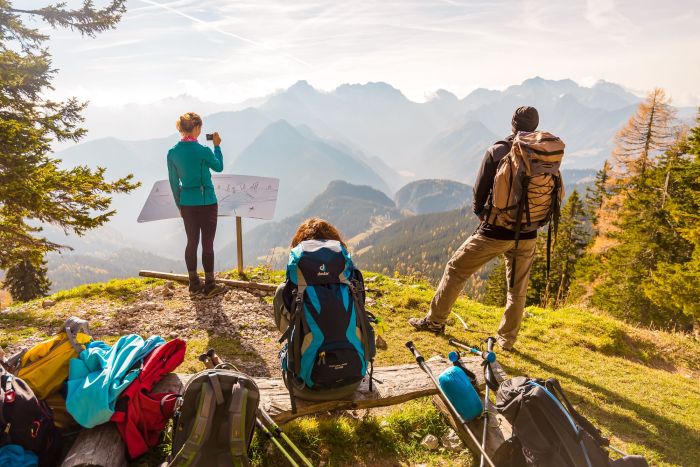
When it comes to backpacking trips with camping and hiking, the destination plays a crucial role in shaping the overall experience. Here are some popular backpacking destinations known for their stunning trails and unique features:
Yosemite National Park, California
Yosemite National Park is a paradise for backpackers, with its iconic granite cliffs, majestic waterfalls, and lush meadows. The park offers a variety of trails, ranging from easy day hikes to challenging multi-day treks like the John Muir Trail. Make sure to secure permits in advance for overnight trips.
Grand Canyon National Park, Arizona
The Grand Canyon is a bucket-list destination for many outdoor enthusiasts. Hiking down into the canyon offers a unique perspective of its vastness and geological wonders. Popular backpacking routes include the Rim-to-Rim hike and the challenging but rewarding hike to Havasu Falls.
Rocky Mountain National Park, Colorado
For those seeking breathtaking mountain views and alpine lakes, Rocky Mountain National Park is the perfect destination. The park boasts an extensive network of trails, including the famous Longs Peak hike and the scenic Continental Divide Trail. Keep an eye out for wildlife like elk and bighorn sheep.
Pacific Crest Trail, West Coast
Stretching from Mexico to Canada, the Pacific Crest Trail offers an epic backpacking adventure through diverse landscapes. Whether you’re looking to thru-hike the entire trail or just tackle a section, you’ll encounter stunning mountain ranges, deserts, and forests along the way. Be prepared for long stretches of remote wilderness and variable weather conditions.
Appalachian Trail, East Coast
The iconic Appalachian Trail spans over 2,000 miles along the East Coast, passing through 14 states. Backpackers can enjoy a mix of challenging terrain, scenic vistas, and quaint trail towns along the journey. Whether you’re a thru-hiker or a section hiker, the Appalachian Trail offers a memorable backpacking experience.Explore these backpacking destinations and trails for unforgettable camping and hiking adventures filled with natural beauty and outdoor exploration.
BACKPACKING TIPS
When embarking on your first backpacking trip, it’s essential to be well-prepared to ensure a safe and enjoyable experience. Here are expert tips to help beginners navigate their backpacking adventures with confidence.
Mental and Physical Preparation
Before hitting the trails, it’s crucial to prepare yourself mentally and physically for the challenges of backpacking. Consider starting with shorter day hikes to build endurance and familiarize yourself with carrying a loaded backpack. Additionally, engage in strength and cardio training to enhance your physical fitness for longer treks.
Staying Safe and Comfortable
When backpacking, safety should be a top priority. Always pack essential items like a first aid kit, navigation tools, extra food and water, and adequate clothing layers. Familiarize yourself with the trail and weather conditions before setting out, and be prepared for unexpected changes. Additionally, practice Leave No Trace principles to minimize your impact on the environment and wildlife.
Enjoying the Experience
To fully enjoy your backpacking trip, take time to appreciate the natural beauty surrounding you. Stay present in the moment, disconnect from technology, and immerse yourself in the sights and sounds of the wilderness. Don’t forget to capture memories through photos or journaling, but also make sure to put the camera down and savor the experience firsthand.
Explore the great outdoors with confidence and excitement after diving into the world of Backpacking trips with camping and hiking. Prepare for unforgettable adventures and unforgettable memories awaiting you out in the wild.
User Queries
What are some lightweight meal ideas for backpacking trips?
Consider packing dehydrated meals, energy bars, nuts, and dried fruits for easy and nutritious options.
How can I minimize my environmental impact while backpacking?
Follow Leave No Trace principles, pack out all trash, avoid damaging plants, and respect wildlife habitats.
What should I do in case of an emergency during a backpacking trip?
Have a first aid kit, communicate your itinerary with someone, know how to signal for help, and stay calm and collected.