Embark on your backpacking journey with these essential tips for traveling light, ensuring a hassle-free and enjoyable adventure filled with practical advice and innovative solutions.
Explore the art of efficient packing, the significance of selecting the right gear, and techniques to minimize weight without compromising on essentials.
BACKPACKING TIPS
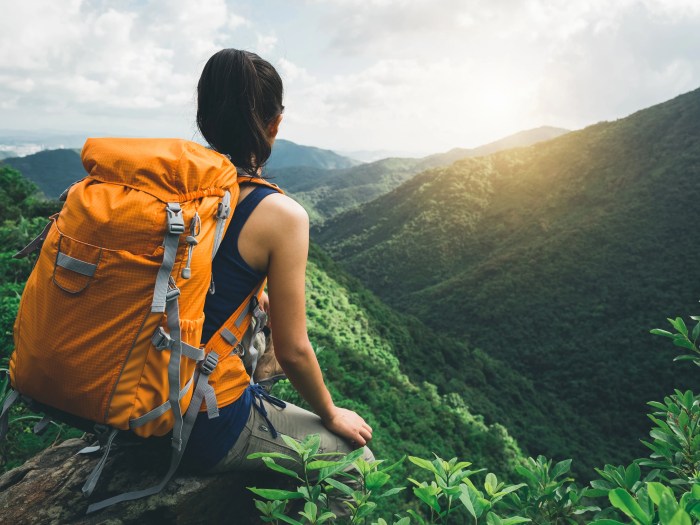
When it comes to backpacking, traveling light is key to a more enjoyable and hassle-free experience. Here are some essential tips to help you pack efficiently and lighten your load:
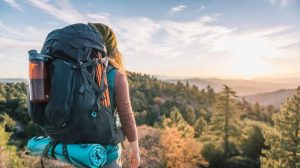
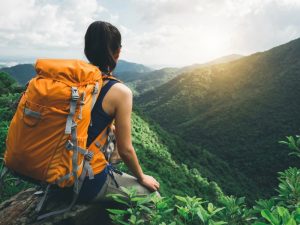
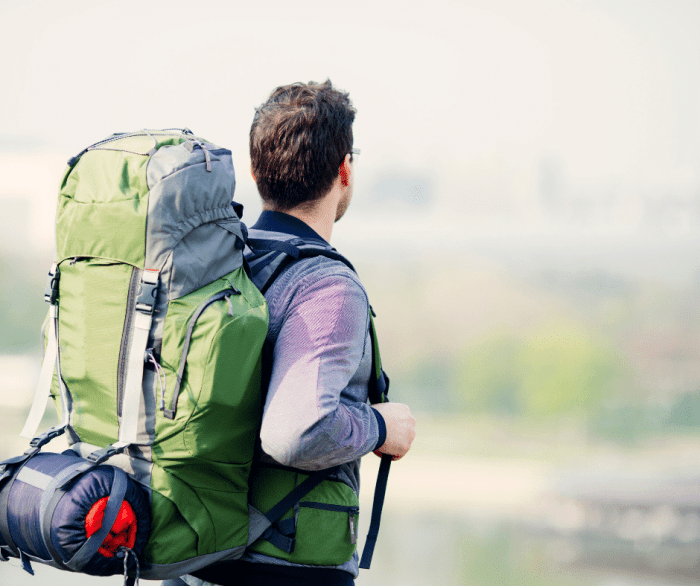
Choose a Lightweight Backpack
- Opt for a backpack made of lightweight materials like nylon or polyester to reduce the overall weight on your shoulders.
- Look for backpacks with padded straps and back support for added comfort during long hikes.
- Consider the size of the backpack – choose one that is spacious enough to fit your essentials but not too large that it becomes cumbersome.
Pack Multi-Purpose Items
- Bring clothing items that can be mixed and matched to create different outfits, reducing the number of items you need to pack.
- Choose versatile items like a sarong that can double as a beach towel, scarf, or even a makeshift blanket.
- Pack items that serve multiple functions, such as a multitool that includes a knife, scissors, and other handy tools in one compact device.
PACKING STRATEGIES
When it comes to backpacking, efficient packing is key to traveling light and stress-free. Here are some strategies to help you organize your backpack effectively.
Rolling Clothes vs. Folding
One common debate among travelers is whether to roll clothes or fold them. While rolling can save space and reduce wrinkles, folding can help keep clothes organized and prevent creases. The best approach may depend on the type of clothing and your personal preference.
Utilizing Packing Cubes or Compression Bags
Using packing cubes or compression bags can be a game-changer when it comes to maximizing space in your backpack. Packing cubes help keep your items organized and easy to find, while compression bags allow you to squeeze out excess air and compact your clothes for more space.
SELECTING GEAR
When it comes to lightweight backpacking, selecting the right gear can make all the difference in your comfort and overall experience. It’s essential to prioritize versatile and lightweight items to ensure you can carry everything you need without being weighed down.
Essential Gear for Lightweight Backpacking
- Backpack: Opt for a lightweight and durable backpack with enough capacity for your gear.
- Tent or Shelter: Choose a lightweight tent or shelter that offers protection from the elements.
- Sleeping Bag: Invest in a compact and lightweight sleeping bag suitable for the expected temperatures.
- Clothing: Pack versatile clothing that can be layered for different climates and activities.
- Cooking Gear: Consider lightweight cooking equipment like a portable stove and cookware.
- Water Filtration: Bring a reliable water filtration system to ensure access to clean drinking water.
Choosing the Right Clothing for Different Climates
- Layering: Opt for clothing that can be easily layered to adapt to changing temperatures.
- Moisture-Wicking Fabrics: Choose clothing made from moisture-wicking materials to keep you dry and comfortable.
- Versatility: Select pieces that can serve multiple purposes to minimize the number of items you need to carry.
- Weather Protection: Pack a waterproof and windproof jacket to stay protected in adverse weather conditions.
- Footwear: Invest in lightweight and durable hiking boots or shoes suitable for the terrain you’ll be traversing.
MINIMIZING WEIGHT
When it comes to backpacking, minimizing weight is crucial for a more comfortable and enjoyable experience on the trail. Carrying a lighter pack can reduce strain on your body and allow you to move more easily. Here are some techniques for reducing the weight of your backpacking gear and the concept of ultralight backpacking:
Techniques for Reducing Weight
- Choose lightweight materials: Opt for gear made from lightweight materials such as silnylon, cuben fiber, or titanium to reduce overall pack weight.
- Multi-purpose items: Select gear that serves multiple functions to avoid carrying unnecessary items. For example, a buff can be used as a headband, scarf, or even a makeshift bag.
- Trim excess straps and accessories: Cut off unnecessary straps, buckles, and accessories from your gear to eliminate any extra weight.
- Share gear with fellow hikers: If you are backpacking with others, consider sharing communal items like a stove, water filter, or tent to distribute the weight more evenly.
Ultralight Backpacking and Its Benefits
- Ultralight backpacking involves carrying the lightest and most efficient gear possible, often resulting in a base weight of around 10 pounds or less.
- Benefits of ultralight backpacking include increased mobility, reduced strain on the body, and the ability to cover more miles in a day.
- By focusing on lightweight gear and evaluating the necessity of each item you carry, you can significantly minimize weight and enhance your overall backpacking experience.
FOOD AND WATER
When backpacking, food and water are essential for staying energized and hydrated on the trail. Carrying lightweight and compact food supplies, along with efficient water purification methods, can help minimize the weight of your pack and ensure you have enough sustenance for your journey.
Tips for Carrying Lightweight Food Supplies
- Opt for dehydrated or freeze-dried meals: These options are lightweight, compact, and easy to prepare with just boiling water.
- Pack high-calorie, nutrient-dense foods: Choose items like nuts, nut butter, dried fruits, and energy bars to maximize energy without adding extra weight.
- Consider repackaging food into smaller portions: Transfer snacks and ingredients into resealable bags to reduce bulk and eliminate unnecessary packaging.
Water Purification Methods
- Use a portable water filter or purifier: Investing in a lightweight filtration system can help you safely drink from natural water sources along the trail.
- Carry water purification tablets or drops: These compact solutions can treat questionable water sources by killing bacteria and viruses.
- Boil water as a backup method: If unsure about water quality, boiling for at least one minute can effectively purify water in a pinch.
Strategies for Meal Planning
- Plan meals with minimal cooking time: Opt for no-cook options or quick recipes to save fuel and time on the trail.
- Choose versatile ingredients: Select items that can be used in multiple meals to reduce the variety of food you need to carry.
- Prioritize lightweight packaging: Select foods with minimal packaging to reduce waste and save space in your backpack.
FOOTWEAR AND CLOTHING
Choosing the right footwear and clothing is crucial when it comes to backpacking. Lightweight and quick-drying materials can make a significant difference in your comfort and overall experience on the trail.When selecting clothing, opt for lightweight and quick-drying materials to minimize weight and ensure you stay dry and comfortable throughout your journey. Fabrics like nylon, polyester, and merino wool are excellent choices as they dry quickly and are breathable.
Comfortable Footwear Selection
- Choose hiking boots or shoes that are lightweight yet provide adequate support and traction.
- Ensure the footwear fits well to prevent blisters and discomfort during long hikes.
- Consider trail runners or hiking sandals for lighter loads and less rugged terrain.
Layering Techniques
- Layering allows you to adjust your clothing based on temperature and activity level without carrying heavy items.
- Start with a moisture-wicking base layer, add insulating layers for warmth, and finish with a waterproof and windproof shell.
- Opt for clothing pieces that can be easily layered and removed to regulate body temperature effectively.
As we conclude our exploration of backpacking tips for traveling light, remember to prioritize versatility, efficiency, and comfort in your gear selection, leading to a memorable and stress-free outdoor experience.
Quick FAQs
How can I choose the right clothing for different climates?
Consider versatile pieces that can be layered for varying temperatures, and opt for quick-drying fabrics to stay comfortable during your travels.
What are some effective meal planning strategies to reduce food weight?
Focus on lightweight, compact foods that provide high energy, and plan meals that require minimal preparation and cooking time to lighten your backpack load.
Why is ultralight backpacking important, and what are its benefits?
Ultralight backpacking focuses on reducing pack weight to enhance mobility and comfort during long treks, allowing for faster travel and less strain on the body.