Embark on your backpacking journey with these essential Backpacking packing tips, guiding you on how to pack efficiently and enjoy your outdoor adventure to the fullest.
Learn about the key essentials for your trip, from clothing and footwear to safety measures and Leave No Trace principles.
General Packing Tips for Backpacking
When preparing for a backpacking trip, it is essential to pack wisely to ensure you have everything you need while keeping your load manageable. Here are some general packing tips to help you make the most of your adventure:
Essential Items for Backpacking
- Proper Clothing: Pack versatile, lightweight clothing suitable for various weather conditions.
- Sleeping Bag and Tent: Ensure you have a reliable sleeping bag and a lightweight tent for shelter.
- Navigation Tools: Carry a map, compass, or GPS device to help you navigate your route.
- First Aid Kit: Include essential medical supplies for minor injuries or emergencies.
Priority Based on Weight and Necessity
- Start by prioritizing the most crucial items such as water, food, and shelter.
- Weigh each item and consider its necessity versus its weight to make informed packing decisions.
- Opt for lightweight, multi-purpose items to save space and reduce the overall weight of your backpack.
Importance of Packing Light
- Packing light is crucial for backpacking to reduce strain on your body and increase mobility.
- Carrying a heavy backpack can lead to fatigue and discomfort during long hikes.
- Focus on packing only the essentials and avoiding unnecessary items to keep your load manageable.
Clothing and Footwear
When it comes to backpacking, choosing the right clothing and footwear is crucial for a comfortable and enjoyable experience. Versatility, lightweight materials, and durability are key factors to consider.
Versatile and Lightweight Clothing
Opt for clothing items that can be easily mixed and matched to create different outfits. Choose lightweight materials like merino wool or synthetic fabrics that are quick-drying and easy to pack. Look for items that can serve multiple purposes, such as convertible pants that can be turned into shorts.
Importance of Layering and Moisture-Wicking Fabrics
Layering is essential for backpacking, as it allows you to adjust your clothing according to the weather and your activity level. Start with a moisture-wicking base layer to keep sweat away from your skin, add an insulating layer for warmth, and finish with a waterproof and windproof outer layer for protection against the elements.
Recommendations for Footwear
Invest in a pair of comfortable and durable hiking boots or trail shoes that provide good ankle support and traction. Make sure they are properly broken in before your trip to prevent blisters and discomfort. Consider the terrain you will be hiking on and choose footwear with appropriate features such as waterproofing and breathability.
Gear and Equipment
When it comes to backpacking, having the right gear and equipment can make all the difference in your overall experience. From essential items like tents and sleeping bags to cooking supplies and backpacks, proper gear can enhance your comfort and safety on the trail.
Efficient Packing Techniques
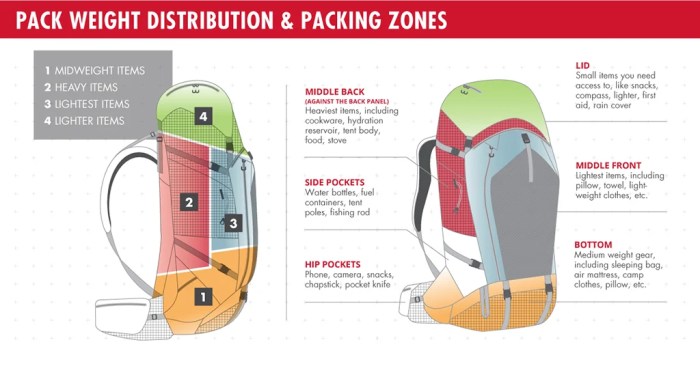
Packing efficiently is key when it comes to fitting all your gear into a backpack. Utilizing space-saving techniques such as rolling your clothes instead of folding them, using packing cubes, and distributing weight evenly can help maximize the space in your pack. Additionally, placing heavier items closer to your back and keeping frequently used items easily accessible can make your backpacking trip more enjoyable.
Investing in Quality Gear
Investing in quality gear may require a larger upfront cost, but it can pay off in the long run. Quality tents, sleeping bags, backpacks, and cooking supplies are often more durable, lighter, and more reliable than their cheaper counterparts. This can result in a smoother backpacking experience with gear that performs well in various conditions and lasts for multiple trips.
Food and Water
When it comes to backpacking, proper meal planning and hydration are essential for a successful trip. Packing lightweight, nutritious food and ensuring access to clean water are key components of any backpacking adventure.
Meal Planning and Packing
- Opt for lightweight, dehydrated meals that are easy to pack and prepare on the trail.
- Include a mix of carbohydrates, proteins, and fats to ensure sustained energy levels.
- Pack snacks like trail mix, energy bars, and dried fruits for quick and easy access to energy throughout the day.
- Consider portioning out meals in advance to avoid carrying excess weight.
Water Purification
- Invest in a reliable water filtration system or water purification tablets to ensure safe drinking water on the trail.
- Boiling water is another effective method to kill bacteria and viruses, but it may not always be convenient.
- Stay hydrated by drinking water consistently throughout the day, especially in hot weather or at higher elevations.
Cooking Equipment
- Opt for compact and lightweight cooking equipment such as a small camp stove or portable cookware set.
- Consider multi-functional tools like a pot that can also serve as a bowl or a utensil set with built-in functions.
- Choose fuel-efficient cooking methods to conserve resources and minimize environmental impact.
Safety and First Aid
Carrying a well-stocked first aid kit and being prepared for emergencies is crucial when backpacking in remote areas. Safety should always be a top priority to ensure a smooth and enjoyable trip.
Importance of First Aid Kit
It is essential to carry a well-equipped first aid kit that includes bandages, antiseptic wipes, pain relievers, adhesive tape, and any personal medications you may need. In case of minor injuries or emergencies, having immediate access to first aid supplies can make a significant difference in your well-being.
Safety Measures
- Inform someone of your itinerary: Before setting out on your backpacking trip, make sure to share your planned route and schedule with a trusted friend or family member. This will help rescuers locate you in case of an emergency.
- Carry emergency communication devices: Bring a fully charged cell phone, a whistle, or a personal locator beacon (PLB) to call for help if needed. These devices can be lifesaving in critical situations.
Handling Injuries and Emergencies
- Dealing with cuts and scrapes: Clean the wound with antiseptic wipes, apply an antibiotic ointment, and cover it with a bandage to prevent infection.
- Treating blisters: If you develop blisters from hiking, clean the area, apply moleskin or blister pads, and avoid popping the blister to prevent infection.
- Managing sprains or strains: Rest the injured area, apply ice if available, compress with a bandage, and elevate the limb to reduce swelling and pain.
- Coping with insect bites or stings: Remove the stinger if applicable, clean the area, apply a cold compress, and take antihistamines if needed for allergic reactions.
Leave No Trace Principles
When backpacking, it’s crucial to follow the Leave No Trace principles to minimize our impact on the environment and preserve the natural beauty of the outdoors. These principles guide us on how to enjoy nature responsibly while ensuring its protection for future generations.
Principle 1: Plan Ahead and Prepare
- Research the area you will be backpacking in to understand any regulations, weather conditions, and potential hazards.
- Pack lightweight and compact gear to reduce waste and energy consumption.
- Plan meals to minimize food waste and avoid bringing excess packaging.
Principle 2: Travel and Camp on Durable Surfaces
- Stick to established trails and camp in designated areas to prevent soil erosion and damage to vegetation.
- Set up camp on durable surfaces like rock, gravel, or established campsites to minimize impact on fragile ecosystems.
- Avoid trampling on vegetation and sensitive habitats to preserve the natural landscape.
Principle 3: Dispose of Waste Properly
- Carry out all trash, including food scraps and biodegradable items, to keep the wilderness clean and free of litter.
- Bury human waste in a cathole at least 200 feet away from water sources to prevent contamination.
- Follow Leave No Trace guidelines for waste disposal to protect wildlife and maintain the pristine environment.
Principle 4: Leave What You Find
- Respect wildlife and plants by observing from a distance and not disturbing their natural behaviors.
- Avoid picking flowers, disturbing rocks, or removing artifacts to preserve the natural landscape.
- Leave natural and cultural features as you found them to maintain the integrity of the wilderness.
Principle 5: Minimize Campfire Impact
- Use a lightweight camp stove for cooking instead of building a campfire to reduce impact on vegetation and soil.
- If campfires are allowed, use established fire rings and keep fires small to prevent scarring the ground.
- Always fully extinguish fires with water and ensure they are cold to the touch before leaving the campsite.
Principle 6: Respect Wildlife
- Observe wildlife from a safe distance and avoid feeding them to prevent habituation and dependence on human food.
- Store food securely to prevent attracting wildlife to your campsite and minimize conflicts.
- Respect the natural behaviors of animals and refrain from approaching or disturbing them in their habitat.
BACKPACKING TIPS
When it comes to embarking on a backpacking trip, there are a few key tips that can make your adventure more enjoyable and successful. From selecting the right destination to planning your itinerary, here are some essential tips to keep in mind.
Choosing the Perfect Backpacking Destination
Before setting out on your backpacking trip, take the time to research and choose a destination that aligns with your interests and skill level. Consider factors such as terrain, weather conditions, and local attractions to ensure a memorable experience.
Creating a Well-Planned Itinerary
Planning is key to a successful backpacking trip. Artikel your route, including daily mileage goals, camping spots, and potential water sources. Be sure to factor in rest days and contingency plans in case of unexpected circumstances.
Benefits of Backpacking Trips
Backpacking offers a unique opportunity to connect with nature, disconnect from technology, and challenge yourself both physically and mentally. The sense of accomplishment and the stunning landscapes you’ll encounter along the way make backpacking trips truly rewarding.
Personal Backpacking Experiences
Reflecting on past backpacking trips, I remember a particularly challenging trek through the rugged mountains of Yosemite National Park. Despite the physical demands, the breathtaking views and sense of accomplishment made it all worthwhile. Each trip offers new adventures and memories to cherish.
In conclusion, by following these Backpacking packing tips, you’ll be well-prepared to tackle any trail, immerse yourself in nature, and create lasting memories on your backpacking escapades.
Popular Questions
What are some essential items to pack for a backpacking trip?
Include items like a tent, sleeping bag, backpack, cooking supplies, and first aid kit.
How do you prioritize items when packing for backpacking?
Consider weight and necessity, packing lighter for a smoother adventure.
What are Leave No Trace principles and why are they important?
These principles focus on minimizing environmental impact and preserving natural habitats while enjoying the outdoors responsibly.