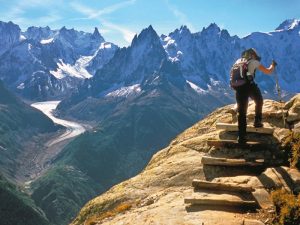
Backpacking tips for hiking in the mountains sets the stage for this enthralling narrative, offering readers a glimpse into a story that is rich in detail with casual formal language style and brimming with originality from the outset.
As we delve deeper into the world of mountain backpacking, we uncover the key essentials and skills required for a successful trip, along with valuable insights on trail selection and trip planning.
Backpacking Tips for Hiking in the Mountains
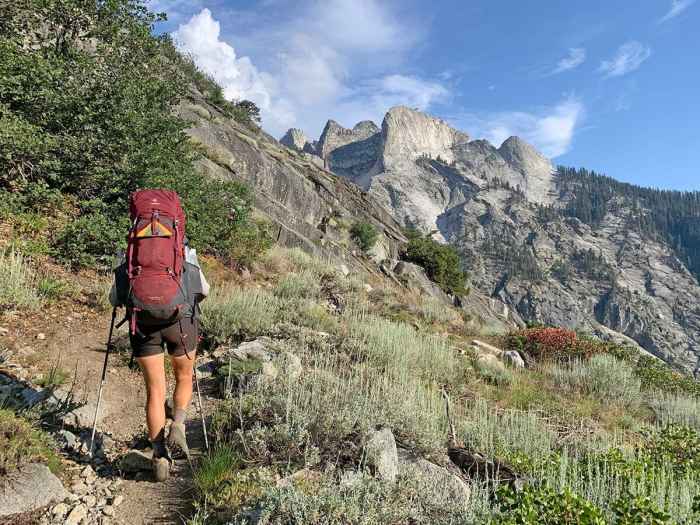
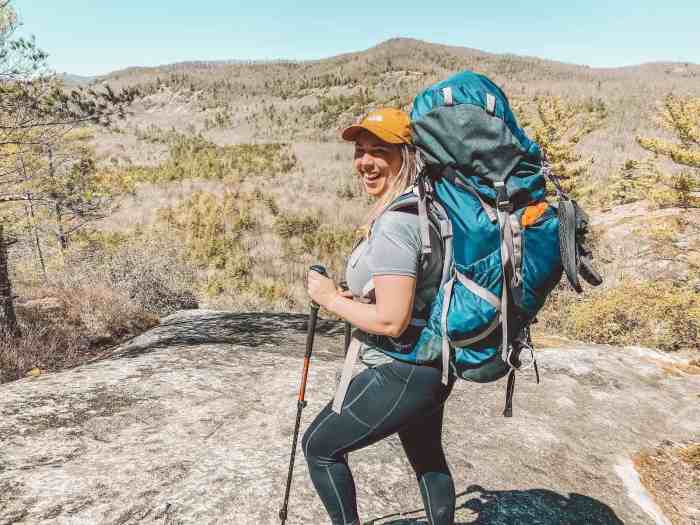
When venturing into the mountains for a backpacking trip, it’s crucial to be well-prepared with the right gear and knowledge to ensure a safe and enjoyable experience. Here are some essential tips to keep in mind:
Essential Gear and Equipment
- Proper hiking boots with good ankle support to navigate rugged terrain.
- A sturdy backpack to carry essentials like water, food, first aid kit, and extra clothing layers.
- Navigational tools such as a map, compass, or GPS device to stay on track.
- Weather-appropriate clothing to layer up or down as needed, including a waterproof jacket.
- Sun protection like sunglasses, sunscreen, and a hat to shield from the sun’s rays at higher altitudes.
Safety Tips for Mountain Hiking
- Inform someone of your hiking plans and expected return time before heading out.
- Stay on marked trails and be aware of weather conditions that can change rapidly in the mountains.
- Carry a whistle and flashlight for emergencies, along with a fully charged phone if there is reception.
- Be cautious around wildlife and avoid confrontations by making noise while hiking.
- Practice Leave No Trace principles to protect the environment and preserve the beauty of the mountains.
Hydration and Nutrition
- Drink plenty of water to stay hydrated, especially at higher altitudes where dehydration can occur quickly.
- Pack high-energy snacks like nuts, dried fruits, and energy bars to fuel your body during strenuous hikes.
- Plan meals rich in carbohydrates, proteins, and fats to maintain energy levels throughout the day.
- Avoid alcohol and caffeine, as they can contribute to dehydration and altitude sickness.
Importance of Layering Clothing
- Layering clothing helps regulate body temperature and adapt to changing weather conditions in the mountains.
- Start with a moisture-wicking base layer to keep sweat away from the skin, followed by insulating layers for warmth, and a waterproof outer layer.
- Adjust layers as needed to prevent overheating or getting too cold during your hike.
Essential Skills for Mountain Backpacking
When embarking on a mountain backpacking trip, there are several essential skills that you must possess to ensure a safe and enjoyable journey. These skills encompass navigation, wildlife knowledge, camp setup, and proper packing techniques.
Navigation Skills
Navigation is crucial in mountainous terrain where trails may not always be clearly marked. To navigate effectively, it is essential to carry a map, compass, and GPS device. Familiarize yourself with reading maps, identifying landmarks, and using a compass to orient yourself. Pay attention to trail markers, natural features, and topographical maps to stay on course.
Understanding Wildlife and Plant Life
It is important to have a basic understanding of the wildlife and plant life in mountainous regions to ensure your safety and minimize your impact on the environment. Be aware of potential encounters with wildlife such as bears, mountain lions, and snakes. Learn to identify poisonous plants and know how to react if you come into contact with them.
Tips for Setting Up Camp
- Choose a flat and level campsite away from water sources to prevent contamination.
- Set up your tent with the entrance facing away from prevailing winds.
- Store food and scented items in bear-proof containers or hang them in a bear bag away from your campsite.
- Dispose of waste properly by following Leave No Trace principles.
Packing a Backpack for a Multi-Day Hike
- Start by organizing your gear into categories like clothing, shelter, cooking supplies, and first aid.
- Place heavier items closer to your back and towards the middle of the pack for better weight distribution.
- Use compression sacks or packing cubes to maximize space and keep gear organized.
- Carry essentials like food, water, a map, compass, and first aid kit in easily accessible pockets.
Choosing the Right Trail for Mountain Backpacking
When planning a mountain backpacking trip, selecting the right trail is crucial for a safe and enjoyable experience. Different types of mountain trails offer unique challenges and rewards, so it’s essential to consider various factors before embarking on your adventure.
Types of Mountain Trails
- Loop Trails: These trails start and end at the same point, offering a sense of completion and variety in scenery.
- Out-and-Back Trails: These trails involve hiking to a certain point and then retracing your steps back to the starting point.
Factors to Consider when Selecting a Mountain Trail
- Trail Difficulty: Assess your hiking abilities and choose a trail that matches your skill level.
- Elevation Gain: Consider the elevation changes along the trail to prepare for the physical demands of the hike.
Researching Trail Difficulty and Elevation Gain
Before setting out on a mountain backpacking trip, research the trail difficulty and elevation gain to ensure it aligns with your fitness level and experience. Look for trail reviews, maps, and elevation profiles to get a better understanding of what to expect on the hike.
Assessing Trail Conditions and Weather Forecasts
- Check for recent trail conditions and closures to avoid any unexpected obstacles during your hike.
- Monitor weather forecasts and be prepared for changing conditions by packing appropriate gear and clothing.
Backpacking Trips
Embarking on backpacking trips in the mountains can be a thrilling and rewarding experience. Whether you are a seasoned hiker or just starting out, there are always new adventures to be had. Here, we will delve into the world of mountain backpacking and explore some essential tips for a successful trip.
Personal Experience: A Memorable Mountain Backpacking Trip
One of my most memorable mountain backpacking trips was to the Rocky Mountains in Colorado. The breathtaking views, challenging terrain, and sense of accomplishment made it an unforgettable journey. We encountered wildlife, navigated through varying weather conditions, and bonded with fellow hikers around the campfire. It was a true test of endurance and a reminder of the beauty of nature.
Importance of Leave No Trace Principles
- Always pack out what you pack in to minimize your impact on the environment.
- Avoid damaging vegetation and wildlife habitats by staying on designated trails.
- Properly dispose of waste and follow established guidelines for campfires to preserve the natural landscape.
- Respect wildlife by observing from a safe distance and not feeding them.
Tips for Staying Safe and Respecting Nature
- Carry essential gear such as a map, compass, first aid kit, and sufficient food and water.
- Check weather conditions before heading out and be prepared for sudden changes.
- Inform someone of your itinerary and expected return time for safety.
- Stay alert for signs of wildlife and follow proper protocols for encounters.
Recommendations for Beginner-Friendly Mountain Backpacking Trips
| Trip Name | Location | Difficulty |
|---|---|---|
| Mount Tamalpais | California | Easy |
| Great Smoky Mountains | Tennessee/North Carolina | Moderate |
| Mount Rainier | Washington | Challenging |
In conclusion, embracing these backpacking tips for hiking in the mountains will not only enhance your outdoor experience but also ensure a safe and memorable journey through the breathtaking mountain landscapes.
Detailed FAQs
What should I do if I encounter wildlife while hiking in the mountains?
It’s important to remain calm, avoid sudden movements, and give the animal space to retreat. Make noise to alert them of your presence.
How can I ensure proper hydration during a mountain hike?
Carry an adequate supply of water and consider using a hydration pack or water filter to stay hydrated on the trail.
What clothing items are essential for layering in changing mountain weather?
Include moisture-wicking base layers, insulating mid-layers, and waterproof outer layers to stay comfortable in varying conditions.
How do I assess the difficulty level of a mountain trail?
Look into trail reviews, elevation gain, and distance to gauge the challenge level. Start with trails that match your fitness and experience level.
What are Leave No Trace principles and why are they important?
Leave No Trace promotes responsible outdoor ethics by minimizing impact on nature. It involves practices like packing out trash and respecting wildlife habitats.