How to choose the best backpack for hiking sets the stage for this informative guide, providing hikers with essential knowledge to make the right choice for their outdoor adventures. From considering features to ensuring a comfortable fit, this comprehensive overview covers all the crucial aspects of selecting the perfect backpack.
Researching Backpack Features
When choosing a backpack for hiking, it is crucial to consider various features that will impact your comfort, convenience, and overall experience on the trail.
Backpack Capacity, Weight, and Compartments
- Capacity: Ensure the backpack has enough space to carry all your gear and supplies for the duration of your hike. Consider the length of your hikes and the amount of gear you typically carry.
- Weight: Opt for a lightweight backpack to reduce strain on your back and shoulders, especially during long hikes. Look for durable materials that are also lightweight.
- Compartments: Choose a backpack with multiple compartments to help you organize your gear efficiently. Look for pockets, dividers, and separate compartments for easy access to essential items.
Key Features to Look For
- Adjustable Straps: Ensure the backpack has adjustable shoulder, chest, and hip straps to customize the fit for your body size and comfort.
- Padded Back Panel: Look for a backpack with a padded back panel to provide extra comfort and support, especially during long hikes.
- Ventilation: Choose a backpack with proper ventilation to prevent excessive sweating and keep you cool and comfortable on the trail.
Impact of Backpack Material
- Material Durability: Select a backpack made from durable materials like nylon or ripstop fabric to withstand rugged terrain and frequent use.
- Water Resistance: Opt for a backpack with water-resistant material or a built-in rain cover to protect your gear from unexpected rain showers or wet conditions.
Evaluating Fit and Comfort
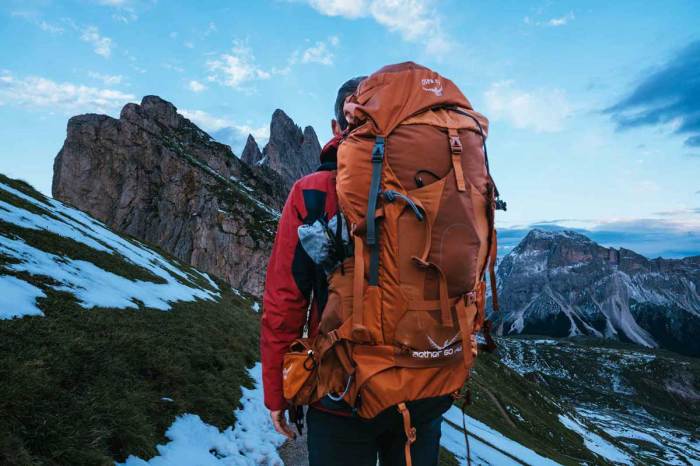
When it comes to choosing the best backpack for hiking, ensuring proper fit and comfort is crucial for an enjoyable outdoor experience. Here are some key points to consider:
Measuring Torso Length and Hip Size
Properly measuring your torso length and hip size is essential to finding a backpack that fits you well. To measure your torso length, start at the C7 vertebra (the bony bump at the base of your neck) and measure down to the top of your hip bones. For hip size, measure the circumference of your hips at the widest part.
These measurements will help you determine the right size of the backpack for your body.
Trying Out Backpacks in-store
When trying out different backpacks in-store, make sure to wear the same clothes and footwear you would typically wear on a hike. Load the backpack with some weight to simulate a real hiking experience. Walk around the store, adjust the straps, and pay attention to how the backpack feels on your back. Take your time to ensure the backpack is comfortable and fits well before making a decision.
Significance of Load Distribution and Ergonomic Design
Load distribution and ergonomic design play a crucial role in the comfort of a backpack. Look for backpacks with padded shoulder straps, a supportive hip belt, and a back panel that provides ventilation. Proper load distribution helps prevent strain on your back and shoulders, while ergonomic design ensures the backpack contours to your body for a comfortable fit during long hikes.
Considering Backpack Accessibility
When choosing a backpack for hiking, it is essential to consider its accessibility features. Easy access to essentials like water bottles, snacks, and a rain cover can make a significant difference during your outdoor adventures.
Benefits of External Attachment Points
- External attachment points on a backpack allow you to carry items like trekking poles, sleeping bags, or tents externally, freeing up space inside the pack for other gear.
- These attachment points also help distribute weight more evenly, making it easier to carry heavier items without straining your back.
- Having easy access to these essential items can save you time and effort on the trail, ensuring a more comfortable and enjoyable hiking experience.
Front-loading vs. Top-loading Backpack Designs
- Front-loading backpacks typically have a zipper that runs along the front of the pack, allowing you to access your gear easily without having to dig through the top of the bag.
- These designs are more convenient for organizing and accessing your belongings, especially if you need to reach items at the bottom of the pack quickly.
- On the other hand, top-loading backpacks have a drawstring closure at the top, which may require you to unpack everything to reach items at the bottom of the bag.
- While top-loading designs can offer more space and support for heavier loads, front-loading designs are often preferred for their ease of use and accessibility.
Budgeting and Comparing Options
When it comes to choosing the best hiking backpack, budgeting and comparing options are crucial steps in making an informed decision. Setting a budget based on the quality and features you need will help narrow down your choices and ensure you get the best value for your money.
Setting a Budget
- Consider how often you will be using the backpack and what features are essential for your hiking trips.
- Research the average prices of hiking backpacks with the features you desire to determine a realistic budget.
- Keep in mind that a higher price does not always guarantee better quality, so prioritize features that are important to you.
Comparing Options
- Read reviews from reputable sources to compare different backpack brands and models.
- Consider the durability of the backpack materials and construction to ensure it can withstand the rigors of hiking.
- Evaluate the value for money by weighing the features of each backpack against its price point.
New vs. Second-Hand or Rental
-
Buying a new backpack
ensures you are the first owner and can rely on the warranty and return policy, but it may be more expensive.
-
Opting for a second-hand or rental backpack
can save you money, but you may sacrifice some features or warranty coverage.
- Inspect second-hand backpacks carefully for any wear and tear that may affect their performance on the trail.
Backpacking Tips
When preparing for a hiking trip, efficient packing is key to maximizing space and minimizing weight. Proper weight distribution in your backpack is crucial to prevent strain and discomfort during long treks. Additionally, adjusting backpack straps, hip belts, and load lifters can help you achieve a personalized fit for added comfort and stability.
Packing Efficiently
- Pack heavy items closer to your back and lighter items towards the outside to maintain balance.
- Use compression sacks or packing cubes to organize and compress clothing and gear.
- Avoid unnecessary items and pack only essentials to reduce overall weight.
Proper Weight Distribution
- Distribute weight evenly between the hip belt and shoulder straps to alleviate pressure on your shoulders.
- Avoid overloading your backpack to prevent straining your back and causing discomfort.
- Regularly adjust the load lifters to keep the weight close to your body for improved stability.
Adjusting Straps and Belts
- Ensure the hip belt sits comfortably on your hips and is snug but not too tight.
- Adjust shoulder straps to fit snugly against your shoulders without digging in or causing chafing.
- Experiment with different adjustments to find the most comfortable and supportive fit for your body.
Backpacking Trips
When it comes to backpacking trips, there are various types to consider, ranging from day hikes to overnight trips and long-distance treks. Each type of trip requires different levels of preparation and gear to ensure a safe and enjoyable experience.
Choosing the Right Backpack Size and Features
When planning a backpacking trip, it’s crucial to select a backpack size and features that align with the duration and intensity of the adventure. For day hikes, a smaller backpack with enough room for essentials like water, snacks, and a first aid kit is sufficient. However, for overnight trips or longer treks, a larger backpack with compartments for clothing, sleeping gear, and food is necessary.
- Consider the capacity of the backpack based on the length of the trip and the amount of gear you need to carry.
- Look for features like adjustable straps, padded hip belts, and ventilation systems to ensure comfort during long hikes.
- Choose a backpack with durable materials and waterproofing for protection against the elements.
Packing Essentials for Backpacking Adventures
Packing the right essentials is vital for a successful backpacking trip, regardless of its duration. Here are some considerations for packing food, water, clothing, and safety gear based on the type of adventure:
“Proper planning and packing can make a significant difference in the comfort and safety of your backpacking trip.”
- Food: Pack lightweight, non-perishable foods that provide energy and nutrients for the journey. Consider options like energy bars, nuts, dried fruits, and dehydrated meals.
- Water: Carry an adequate supply of water or invest in a water filtration system for refilling along the way. Staying hydrated is crucial, especially during long-distance treks.
- Clothing: Pack moisture-wicking and quick-drying clothing for varying weather conditions. Layering is key to staying comfortable and adjusting to temperature changes.
- Safety Gear: Include essentials like a map, compass, first aid kit, whistle, and emergency shelter in your backpack. These items can be lifesaving in unexpected situations.
In conclusion, choosing the best backpack for hiking is a crucial decision that can greatly impact your outdoor experience. By following the tips and guidelines Artikeld in this article, you’ll be well-equipped to find the perfect backpack that meets all your hiking needs. So gear up, hit the trails, and enjoy the great outdoors with confidence!
FAQ Corner
How important is backpack capacity when choosing a hiking backpack?
Backpack capacity is crucial as it determines how much gear you can carry, so choose a size that suits the length and intensity of your hikes.
What should I consider when evaluating the fit of a hiking backpack?
Focus on torso length, hip size, and overall comfort to ensure a well-fitted backpack that won’t cause discomfort during your hikes.
Is it better to opt for a top-loading or front-loading backpack design?
It depends on personal preference and convenience, but front-loading backpacks generally offer easier access to your gear.
How can I pack efficiently for a hiking trip?
Roll your clothes, use packing cubes, and distribute weight evenly to optimize space and minimize the load on your back.
What are the advantages of buying a new backpack versus a second-hand one?
A new backpack ensures quality, warranty, and the latest features, while a second-hand one might save you money but could lack durability and warranty.