Embark on a thrilling journey with our guide on How to Plan a Backpacking Trip, where we delve into key essentials, itinerary preparation, packing tips, safety measures, food and water necessities, health and first aid tips, and sustainability practices. Get ready to explore the great outdoors with confidence!
Planning Essentials
Setting a Budget:When planning a backpacking trip, setting a budget is crucial. It helps you determine how much you can afford to spend on transportation, accommodation, food, and other expenses during your journey. Be realistic about your financial capabilities and allocate funds accordingly to ensure a smooth and stress-free trip.Choosing the Right Backpack:Selecting the right backpack is essential for a successful backpacking trip.
Consider factors such as size, capacity, comfort, and durability. Look for a backpack that fits your body well, has adjustable straps, and is made of high-quality materials to withstand the rigors of travel. Remember, your backpack will be your home on the road, so choose wisely.Researching the Destination and Weather Conditions:Before embarking on your backpacking adventure, research the destination thoroughly.
Learn about the local culture, customs, and attractions to make the most of your trip. Additionally, pay close attention to the weather conditions at your destination. Pack appropriate clothing and gear based on the forecast to stay comfortable and safe throughout your journey.
Itinerary Preparation
Planning a flexible itinerary for a backpacking trip is essential to allow for spontaneity and unexpected adventures along the way. It is important to have a general idea of the places you want to visit and activities you want to do, but also be open to changes based on recommendations from locals or fellow travelers.
Selecting Suitable Accommodations
When selecting accommodations for your backpacking trip, consider the location, budget, and amenities offered. Hostels are a popular choice among backpackers for their affordability and social atmosphere. Camping can also be a great option for those seeking a more outdoorsy experience. Research various accommodation options along your route and book in advance to secure your stay.
Planning Transportation Options
It is crucial to plan transportation options in advance to ensure smooth travel between destinations. Research different modes of transportation such as buses, trains, or ferries, and consider factors like cost, travel time, and frequency of services. Booking tickets ahead of time can help you save money and avoid last-minute hassles. Additionally, be prepared for delays or changes in schedules by having backup transportation options in place.
Packing Tips
When preparing for a backpacking trip, packing efficiently and effectively is crucial to ensure a comfortable and safe journey. Here are some essential packing tips to keep in mind:
Essential Items to Pack
- Clothing appropriate for the weather conditions, including moisture-wicking layers, a waterproof jacket, and sturdy hiking boots.
- Sleeping bag and lightweight tent if camping along the way.
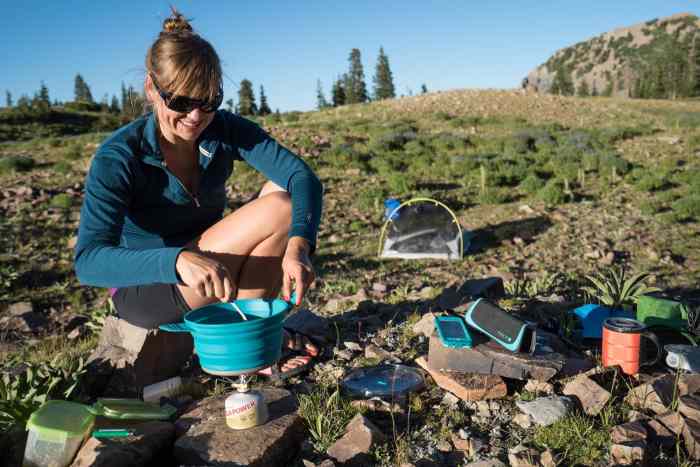
- Food and snacks that are lightweight, non-perishable, and high in energy.
- Water bottle or hydration system to stay hydrated throughout the trip.
- Navigational tools such as a map, compass, or GPS device.
- First aid kit with essential supplies for treating minor injuries or illnesses.
- Multi-tool or knife for various tasks.
Packing Light and Efficiently
- Choose lightweight and compact gear to minimize the weight of your backpack.
- Avoid packing unnecessary items and prioritize multi-functional gear to save space.
- Roll clothing instead of folding to save space and reduce wrinkles.
- Consider the duration of your trip and pack only what you need for the specific activities planned.
- Utilize packing cubes or compression bags to organize and condense your belongings.
Significance of Emergency Supplies
- Include emergency supplies such as a whistle, signaling mirror, fire starter, and emergency blanket for unexpected situations.
- Carry extra food and water in case of emergency delays or unforeseen circumstances.
- Inform someone of your itinerary and expected return date in case of emergencies.
- Be prepared for changes in weather conditions by packing appropriate gear for all scenarios.
Safety Measures
When backpacking in remote areas, safety should always be a top priority. Here are some essential safety measures to keep in mind:
Navigation Tips
- Carry a detailed map and compass to navigate unfamiliar terrains.
- Learn basic orienteering skills to find your way in case of getting lost.
- Use GPS devices or navigation apps on your phone as backup tools.
- Stay aware of your surroundings and landmarks to avoid getting disoriented.
Informing Someone About Your Itinerary
It is crucial to inform a trusted person about your planned itinerary before embarking on a backpacking trip. This ensures that someone knows your whereabouts and can alert authorities in case of an emergency.
Food and Water
When planning a backpacking trip, it’s crucial to consider your food and water needs. Proper meal planning, hydration, and food storage are essential for a successful and safe adventure in the wilderness.
Meal Planning and Snacks
- Plan your meals in advance to ensure you have enough food for the duration of your trip.
- Choose lightweight, non-perishable foods that are easy to prepare, such as dehydrated meals, trail mix, energy bars, and instant noodles.
- Pack a variety of snacks to keep your energy levels up throughout the day, such as nuts, dried fruits, and jerky.
Staying Hydrated
- Drink water regularly throughout the day, even if you don’t feel thirsty.
- Carry a water filter or purification tablets to treat water from natural sources like streams and rivers.
- Avoid consuming water from unknown sources to prevent waterborne illnesses.
Proper Food Storage
- Store perishable foods in airtight containers or sealed bags to prevent contamination by bacteria or animals.
- Keep your food away from your sleeping area to avoid attracting wildlife to your campsite.
- Dispose of food waste properly by packing it out in sealed bags to leave no trace in the wilderness.
Health and First Aid
When embarking on a backpacking trip, it is crucial to prioritize your health and be prepared for any medical emergencies that may arise during your adventure.
Preparing a First Aid Kit
Before setting off on your backpacking trip, make sure to pack a well-stocked first aid kit. Include essentials such as bandages, antiseptic wipes, pain relievers, blister pads, adhesive tape, scissors, tweezers, and any personal medications you may need. It’s also a good idea to carry a first aid manual to guide you in case of emergencies.
Common Health Concerns
- Dehydration: Drink plenty of water and electrolyte-rich fluids to stay hydrated.
- Sunburn: Apply sunscreen regularly and wear protective clothing and accessories.
- Blister: Ensure proper footwear and use blister pads to prevent and treat blisters.
- Heat Exhaustion: Take breaks in shaded areas and stay cool to avoid heat-related illnesses.
Handling Medical Emergencies
When facing a medical emergency in a remote location, stay calm and assess the situation. If possible, contact emergency services or seek help from fellow hikers. Administer first aid based on your knowledge and the resources available in your first aid kit. If the situation is severe, consider activating any emergency communication devices you may have and be prepared to wait for professional help to arrive.
Sustainability Practices
When embarking on a backpacking trip, it is crucial to incorporate sustainability practices to ensure minimal environmental impact and support local communities and wildlife conservation.
Leave No Trace Principles
- Dispose of waste properly by carrying out all trash and disposing of it in designated areas.
- Avoid damaging vegetation by staying on designated trails and campsites.
- Respect wildlife by observing from a safe distance and not feeding them.
- Minimize campfire impacts by using established fire rings or camp stoves.
Minimizing Waste and Reducing Environmental Impact
- Use reusable containers for food and beverages to reduce single-use plastic waste.
- Opt for biodegradable toiletries and avoid products with microbeads that can harm aquatic life.
- Practice water conservation by refilling reusable bottles at water stations instead of purchasing bottled water.
- Carry a small bag for collecting any trash you find along the trail to leave the area cleaner than you found it.
Supporting Local Communities and Wildlife Conservation
- Stay in locally-owned accommodations or support eco-friendly lodges that give back to the community.
- Purchase souvenirs directly from local artisans to support their livelihoods.
- Participate in volunteer programs or guided tours that contribute to wildlife conservation efforts.
- Respect cultural traditions and customs of the communities you encounter during your trip.
As we conclude our exploration of How to Plan a Backpacking Trip, remember to stay safe, pack wisely, and immerse yourself in the wonders of nature responsibly. Happy trails and may your adventures be filled with unforgettable moments and breathtaking landscapes!
FAQ
How do I ensure my safety while backpacking in remote areas?
It’s important to stay alert, have a communication device, know your surroundings, and share your itinerary with someone trustworthy.
What are some essential items to include in a backpacking trip?
Important items include a first aid kit, appropriate clothing, navigation tools, food, water, and emergency supplies.