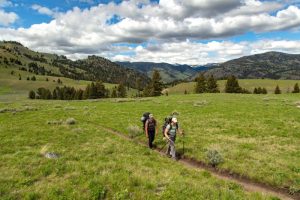
Embark on a journey exploring the longest backpacking trips in the U.S., delving into the top trails, essential gear, safety tips, and sustainable practices for an unforgettable outdoor adventure.
Discover the rugged terrains, unique features, and popular destinations that await backpackers seeking thrilling challenges and breathtaking scenery across the country.
Longest backpacking trips in the U.S.
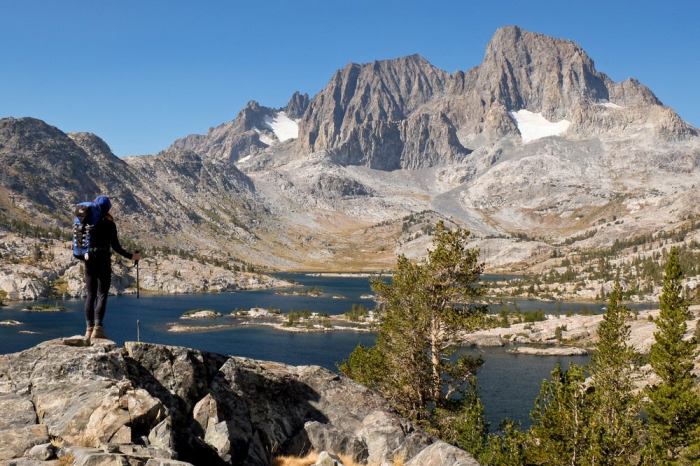
Embark on an unforgettable adventure by exploring some of the longest backpacking trails in the United States. These trails offer stunning landscapes, challenging terrain, and unique attractions along the way.
Top 5 Longest Backpacking Trails in the U.S.
Here are the top 5 longest backpacking trails in the U.S., each with its own unique features and level of difficulty:
- Appalachian Trail:
The Appalachian Trail stretches over 2,000 miles from Georgia to Maine, crossing through diverse terrains such as forests, mountains, and meadows. It offers a moderate to strenuous level of difficulty, with breathtaking views and the opportunity to experience the beauty of the East Coast.
- Pacific Crest Trail:
Running from the border of Mexico to Canada, the Pacific Crest Trail covers approximately 2,650 miles through the Western United States. Hikers will encounter desert landscapes, snowy mountain passes, and lush forests, making it a challenging yet rewarding journey for experienced backpackers.
- Continental Divide Trail:
The Continental Divide Trail spans more than 3,100 miles along the Rocky Mountains from Mexico to Canada. This trail offers rugged terrain, high-altitude passes, and stunning alpine scenery, providing a true wilderness experience for those seeking an adventure.
- Florida Trail:
Stretching over 1,000 miles across Florida, the Florida Trail showcases the state’s diverse ecosystems, including swamps, forests, and beaches. While it may not be as long as other trails, it offers a unique experience for backpackers looking to explore the Sunshine State.
- Superior Hiking Trail:
Located in Minnesota, the Superior Hiking Trail extends for about 310 miles along Lake Superior’s north shore. Hikers can enjoy scenic overlooks, waterfalls, and lush forests, with a moderate level of difficulty suitable for both beginners and experienced backpackers.
Popular backpacking destinations in the U.S.
When it comes to popular backpacking destinations in the U.S., there are several iconic trails that attract outdoor enthusiasts from around the world. These destinations offer stunning landscapes, challenging terrain, and unique cultural experiences.
Appalachian Trail
The Appalachian Trail is one of the most famous long-distance hiking trails in the U.S., stretching over 2,190 miles from Georgia to Maine. Backpackers are drawn to this trail for its scenic beauty, diverse ecosystems, and the sense of accomplishment that comes with completing such a challenging trek.
Pacific Crest Trail
The Pacific Crest Trail spans 2,650 miles from Mexico to Canada, traversing through California, Oregon, and Washington. This trail is popular among backpackers for its breathtaking mountain views, remote wilderness areas, and the opportunity to experience the diverse landscapes of the West Coast.
John Muir Trail
The John Muir Trail covers 211 miles through the Sierra Nevada mountain range in California, passing through Yosemite National Park and ending at Mount Whitney, the highest peak in the contiguous United States. Backpackers flock to this trail for its stunning alpine scenery, pristine lakes, and the chance to follow in the footsteps of the famous naturalist John Muir.
Essential gear for long backpacking trips
When embarking on a long backpacking trip, having the right gear is essential to ensure a safe and successful journey. Each item serves a specific purpose in helping you navigate the wilderness and stay prepared for any situation that may arise. Packing efficiently is also crucial to ensure you have everything you need without carrying unnecessary weight.
Must-Have Gear List:
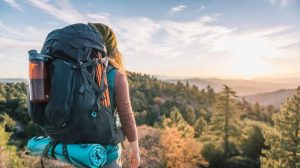
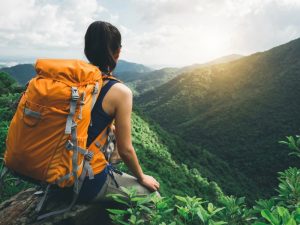
- Backpack: A sturdy, comfortable backpack with proper weight distribution is crucial for carrying all your essentials.
- Tent: Provides shelter from the elements and a place to rest at night.
- Sleeping Bag: Keeps you warm and comfortable while sleeping outdoors.
- Navigation Tools: Map, compass, or GPS device to help you find your way on the trail.
- Water Filtration System: Ensures you have access to clean drinking water throughout your journey.
- First Aid Kit: Essential for treating minor injuries and emergencies on the trail.
- Food and Cooking Supplies: Lightweight, high-energy snacks and a portable stove for preparing meals.
- Clothing Layers: Moisture-wicking base layers, insulating mid-layers, and waterproof outer layers to stay dry and comfortable.
- Headlamp/Flashlight: Essential for navigating in the dark and during emergencies.
- Multi-Tool: Handy for repairs, gear adjustments, and various tasks on the trail.
Importance of Each Gear Item:
Having the right gear ensures you can stay safe, comfortable, and prepared during your backpacking trip. A backpack with proper weight distribution prevents strain and discomfort, while a tent and sleeping bag provide essential shelter and warmth. Navigation tools help you stay on course, a water filtration system ensures hydration, and a first aid kit is crucial for emergencies. Food supplies and cooking equipment keep you fueled, while clothing layers protect you from the elements.
A headlamp or flashlight is essential for visibility, and a multi-tool can come in handy for various tasks.
Tips for Efficient Packing:
- Make a checklist of essential items to ensure you don’t forget anything important.
- Consider the weight and size of each item before packing to minimize unnecessary weight.
- Pack items in order of priority and accessibility for easy retrieval on the trail.
- Utilize compression sacks or packing cubes to save space and keep your gear organized.
- Leave non-essential items behind to reduce the weight of your pack and make your journey more manageable.
Safety tips for backpacking trips
When embarking on long backpacking trips, safety should always be a top priority. Being prepared and aware of potential risks can make a significant difference in ensuring a safe and enjoyable journey.
Identifying potential risks and hazards
- Weather conditions: Be aware of the weather forecast before starting your hike and pack accordingly. Sudden changes in weather can pose a serious threat.
- Wildlife encounters: Research the wildlife in the area you will be hiking in and understand how to safely coexist. Carry bear spray or other deterrents if necessary.
- Terrain challenges: Be prepared for steep inclines, rocky terrain, or slippery paths. Wear proper footwear and use trekking poles for stability.
- Navigation issues: Carry a map, compass, or GPS device to avoid getting lost. Familiarize yourself with the trail before starting your hike.
Tips for staying safe and prepared
- Inform someone of your itinerary: Share your hiking plans with a friend or family member and let them know when to expect you back.
- Pack essentials: Bring enough food, water, first aid supplies, and emergency gear such as a whistle, flashlight, and extra clothing.
- Stay hydrated and well-fed: Drink plenty of water and eat nutritious snacks to maintain energy levels during your hike.
- Rest when needed: Listen to your body and take breaks when feeling fatigued. Pushing yourself beyond your limits can lead to accidents.
Sustainable practices for backpacking
When embarking on backpacking trips, it is important to practice sustainable habits to minimize your impact on the environment and preserve natural habitats.
Leave No Trace principles
The Leave No Trace principles are guidelines that promote responsible outdoor ethics to protect the environment. Backpackers can follow these principles to ensure minimal impact on the areas they visit.
- Dispose of waste properly by packing out all trash and leaving no trace of your presence.
- Travel and camp on durable surfaces to avoid damaging vegetation and soil.
- Minimize campfire impact by using established fire rings or stoves and following fire regulations.
- Respect wildlife by observing from a distance and not feeding or approaching animals.
- Be considerate of other visitors by keeping noise levels down and respecting their space.
Minimizing environmental impact
Backpackers can take specific actions to reduce their environmental footprint while exploring the outdoors.
- Use reusable containers and utensils to minimize single-use plastics.
- Avoid disturbing vegetation and wildlife by staying on designated trails.
- Use biodegradable soaps to wash dishes and yourself, especially near water sources.
- Respect wildlife habitats by not setting up camp in sensitive areas.
Preserving natural habitats
Preserving natural habitats is crucial to maintaining the biodiversity and beauty of the wilderness areas that backpackers enjoy.
- Avoid picking plants or disturbing natural features to preserve the ecosystem’s integrity.
- Respect closures and restrictions in protected areas to prevent habitat destruction.
- Participate in conservation efforts or volunteer programs to give back to the environment.
- Spread awareness of sustainable practices among fellow backpackers to promote a culture of environmental stewardship.
As you conclude this exploration of the longest backpacking trips in the U.S., remember to pack your gear, stay safe on the trails, and leave only footprints behind as you immerse yourself in the beauty of nature. Happy hiking!
FAQ Section
What are some unique features along the longest backpacking trails in the U.S.?
Each trail offers breathtaking views, diverse terrains, and encounters with wildlife that make the journey unforgettable.
How can backpackers minimize their environmental impact while hiking?
By following Leave No Trace principles, backpackers can reduce their footprint by properly disposing of waste and respecting natural habitats.
What safety measures should backpackers take on long trips?
Carrying essential gear, staying hydrated, informing someone of your itinerary, and being aware of potential risks are crucial for a safe backpacking experience.