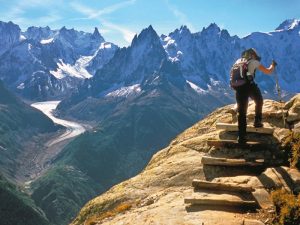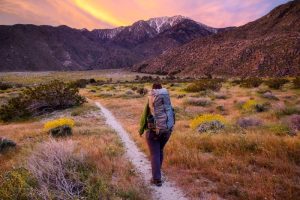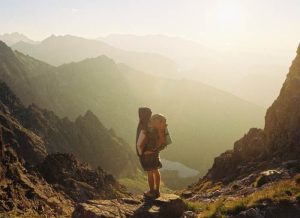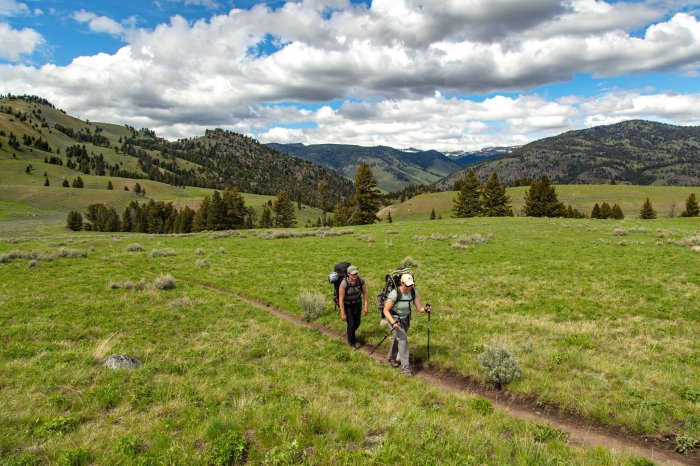
Embark on a journey to discover the top backpacking trips tailored for beginners. From picturesque trails to breathtaking landscapes, these destinations offer the perfect blend of adventure and tranquility. Let’s dive into the world of backpacking for novices with tips and recommendations to make your experience unforgettable.
As we delve deeper, you’ll uncover the essential gear, packing tips, safety precautions, and the importance of Leave No Trace principles to ensure a memorable and responsible backpacking adventure.
Top Backpacking Trips for Beginners
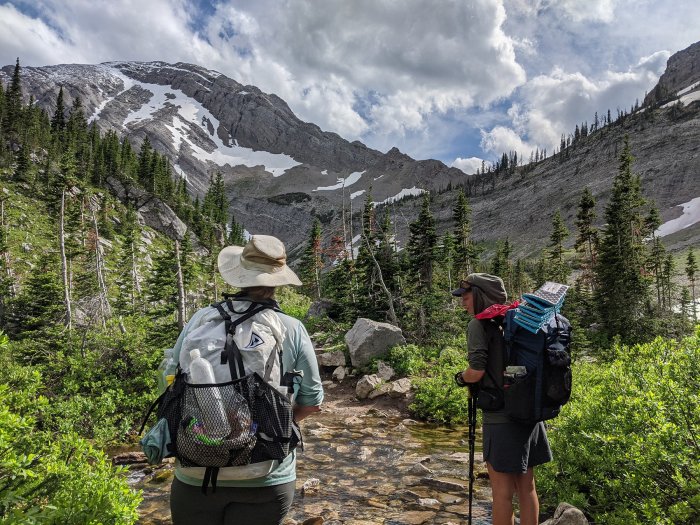
Embarking on a backpacking adventure can be an exciting and rewarding experience, especially for beginners looking to explore the great outdoors. Here are five top backpacking destinations that are perfect for novice backpackers, each offering unique features and attractions.
1. Yosemite National Park, California, USA
Yosemite National Park is a paradise for outdoor enthusiasts with its stunning granite cliffs, towering waterfalls, and lush meadows. The park offers a variety of beginner-friendly trails, such as the Mist Trail to Vernal Fall, providing breathtaking views without requiring advanced hiking skills. Make sure to secure permits in advance and practice Leave No Trace principles to preserve the park’s natural beauty.
2. Camino de Santiago, Spain
The Camino de Santiago, also known as the Way of St. James, is a popular pilgrimage route that attracts hikers from around the world. The Camino Frances route is a great option for beginners, offering well-marked trails, charming villages, and a supportive community of fellow pilgrims. Be sure to pack light, wear comfortable hiking shoes, and take your time to enjoy the journey.
3. Cinque Terre, Italy
Cinque Terre is a picturesque coastal region in Italy known for its colorful cliffside villages and scenic hiking trails. The Sentiero Azzurro (Blue Trail) connects the five villages and provides stunning views of the Mediterranean Sea. Beginners can start with shorter sections of the trail, like the Vernazza to Monterosso hike, and sample delicious local cuisine along the way.
4. Abel Tasman Coast Track, New Zealand
The Abel Tasman Coast Track offers a perfect introduction to New Zealand’s stunning landscapes, featuring golden beaches, turquoise waters, and native wildlife. This coastal track is well-maintained and easily accessible, making it ideal for beginners. Consider booking a water taxi for a scenic ride back or camping overnight at designated campsites along the trail.
5. Inca Trail to Machu Picchu, Peru
The iconic Inca Trail is a bucket-list trek for many adventurers, leading to the ancient ruins of Machu Picchu. While the trek involves challenging terrain and high altitude, it is achievable for beginners with proper preparation and a gradual pace. Acclimate to the altitude in Cusco before starting the trek, hire a reputable tour operator, and immerse yourself in the rich history of the Incas along the way.
Essential Gear for Backpacking
When embarking on your first backpacking trip, having the right gear is essential for a safe and comfortable journey. Here are some must-have items to consider packing:
Tent
One of the most important items for any backpacking trip is a reliable tent. Look for lightweight options that are easy to set up and provide adequate protection from the elements. If you’re on a budget, consider a basic two-person tent that offers good ventilation and weather resistance.
Sleeping Bag
A high-quality sleeping bag is crucial for a good night’s rest in the wilderness. Choose a sleeping bag that is suitable for the temperatures you will encounter on your trip. Look for lightweight and compressible options if you need to save space in your backpack.
Backpack
A comfortable and well-fitted backpack is essential for carrying all your gear on the trail. Look for a backpack with padded shoulder straps, a hip belt for weight distribution, and multiple compartments for organization. Consider renting or borrowing a backpack if you’re not ready to invest in one.
Water Filtration System
Access to clean water is crucial when backpacking. Invest in a reliable water filtration system to ensure you have safe drinking water throughout your trip. Look for lightweight options like portable water filters or purification tablets.
Hiking Boots
Sturdy and comfortable hiking boots are essential for tackling various terrains on your backpacking trip. Invest in a pair that provides ankle support, good traction, and waterproofing. Consider shopping for second-hand hiking boots or looking for sales to save money.
First Aid Kit
A compact first aid kit is a must-have for any backpacking trip. Include essentials like bandages, antiseptic wipes, pain relievers, and any personal medications you may need. You can purchase pre-made first aid kits or assemble your own to suit your specific needs.
Packing Tips for Backpacking Trips
When preparing for your first backpacking adventure, packing efficiently is key to a successful and enjoyable trip. Here are some tips to help you pack smartly and make the most of your space and weight allowance.
Comprehensive Packing List
- Backpack
- Tent
- Sleeping bag
- Sleeping pad
- Clothing (including layers for varying weather conditions)
- Footwear
- Food and snacks
- Water and water purification system
- Cooking equipment (stove, fuel, utensils)
- Navigation tools (map, compass, GPS)
- First aid kit
- Sun protection (sunscreen, hat, sunglasses)
- Personal hygiene items
- Multi-tool or knife
- Headlamp or flashlight
- Emergency shelter
Efficient Packing Techniques
When packing your backpack, start by placing heavy items close to your back and towards the middle to help distribute weight evenly. Use stuff sacks or compression bags to condense clothing and gear, maximizing space. Keep frequently used items within easy reach by organizing your pack logically.
Packing Food, Clothing, and Equipment
For longer trips, plan meals in advance and pack lightweight, high-energy foods. Choose clothing made of moisture-wicking material and pack layers for versatility in changing weather conditions. Tailor your equipment to the specific needs of your trip, considering factors like terrain, climate, and duration.
Safety Precautions and Emergency Preparedness
When embarking on a backpacking trip, it is crucial to prioritize safety precautions and be prepared for any emergencies that may arise along the way. By understanding common safety concerns and knowing how to address them, as well as having the necessary tools for emergency preparedness, you can ensure a safer and more enjoyable experience in the wilderness.
Common Safety Concerns and Addressing Them
- Stay hydrated and watch for signs of dehydration, such as dizziness and fatigue. Always carry an adequate supply of water and drink regularly.
- Be mindful of wildlife encounters by properly storing food and disposing of waste. Avoid feeding wildlife and keep a safe distance when observing them.
- Know how to navigate and read maps to prevent getting lost. Familiarize yourself with the trail and carry a compass or GPS device for guidance.
Importance of Carrying a First Aid Kit
Having a well-stocked first aid kit is essential for treating minor injuries and illnesses while on a backpacking trip. Here are some items to include in your first aid kit:
- Bandages, gauze, and adhesive tape for wound care
- Antiseptic wipes and ointment for cleaning and preventing infections
- Pain relievers, antihistamines, and medications for common ailments
- Tweezers, scissors, and a thermometer for various medical needs
Navigating Unpredictable Weather Conditions
Weather conditions can change rapidly in the wilderness, so it’s important to be prepared for any scenario. Here are some tips for dealing with unpredictable weather:
- Check the weather forecast before your trip and pack accordingly with appropriate clothing and gear.
- Seek shelter in a safe location if a storm or extreme weather hits suddenly. Avoid open areas and tall trees during lightning storms.
- Stay dry to prevent hypothermia by wearing waterproof clothing and setting up a waterproof shelter.
Staying Safe in the Wilderness and Emergency Protocols
While in the wilderness, it’s essential to prioritize safety and know what to do in case of emergencies. Here are some tips for staying safe and handling emergencies:
- Inform someone of your itinerary and expected return time before heading out on a backpacking trip.
- Carry a whistle or signaling device to alert others in case of an emergency or if you get lost.
- Stay calm and assess the situation if an emergency occurs. Use your first aid kit and survival skills while waiting for help to arrive.
Leave No Trace Principles
Leave No Trace principles are a set of guidelines designed to promote responsible outdoor recreation and minimize the impact on the environment. By following these principles, backpackers can help preserve the natural beauty of the wilderness for future generations.
Practicing Leave No Trace Ethics
- Plan ahead and prepare: Research the area you will be visiting, familiarize yourself with the rules and regulations, and pack accordingly to minimize waste.
- Travel and camp on durable surfaces: Stick to established trails and campsites to avoid damaging fragile ecosystems.
- Dispose of waste properly: Pack out all trash, including food scraps and biodegradable items. Leave the wilderness cleaner than you found it.
- Leave what you find: Avoid disturbing plants, rocks, or artifacts. Leave natural objects and cultural resources untouched for others to enjoy.
- Minimize campfire impacts: Use a stove for cooking instead of building a fire, and only use established fire rings when permitted.
- Respect wildlife: Observe animals from a distance, do not feed them, and store food securely to prevent attracting wildlife to your campsite.
- Be considerate of other visitors: Keep noise levels down, yield the right of way on trails, and respect the solitude of others enjoying the wilderness.
Preserving the Environment
Adhering to the Leave No Trace principles can have a significant impact on preserving the environment. By practicing responsible backpacking, beginners can help protect natural spaces from degradation and keep ecosystems healthy.
In conclusion, these top backpacking trips for beginners open doors to a world of exploration and discovery. Equip yourself with the right gear, follow safety guidelines, and embrace the Leave No Trace principles to make the most of your backpacking experience. Start your journey today and create lasting memories amidst nature’s wonders.
Query Resolution
What are some essential tips for beginner backpackers?
Start with shorter trails, pack light, and research the destination beforehand for a smooth experience.
How important is safety while backpacking?
Safety is paramount. Always carry a first aid kit, inform someone of your itinerary, and be prepared for emergencies.
What is the significance of Leave No Trace principles?
Leave No Trace principles ensure minimal impact on the environment. They promote responsible outdoor practices for sustainable adventures.
How can beginners pack efficiently for a backpacking trip?
Roll clothes to save space, use packing cubes for organization, and prioritize lightweight, multipurpose gear.
What should beginners consider when choosing a backpacking destination?
Look for beginner-friendly trails with moderate difficulty, clear signage, and accessibility to amenities for a comfortable experience.